


- Afhalen na 1 uur in een winkel met voorraad
- Gratis thuislevering in België vanaf € 30
- Ruim aanbod met 7 miljoen producten
- Afhalen na 1 uur in een winkel met voorraad
- Gratis thuislevering in België vanaf € 30
- Ruim aanbod met 7 miljoen producten





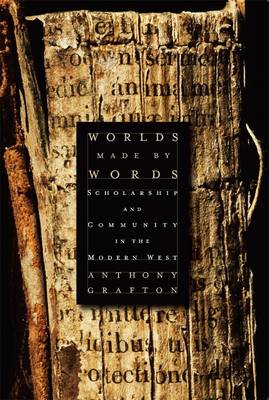
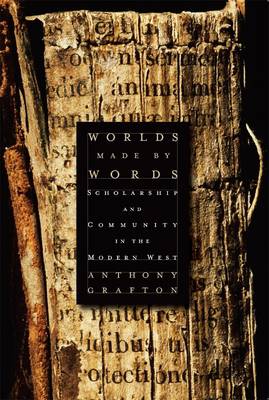
Worlds Made by Words
Scholarship and Community in the Modern West
Anthony Grafton
Paperback | Engels
€ 40,95
+ 81 punten
Eenvoudig bestellen
Veilig betalen


Gratis thuislevering vanaf € 30 (via bpost)
Gratis levering in je Standaard Boekhandel
Omschrijving
In this book Anthony Grafton lets us in on one of the great secrets of scholars and intellectuals: although scholars lead solitary lives in order to win independence of mind, they also enjoy the conviviality of sharing a project sustained by common ideals, practices, and institutions. It's like Masonry, but without the secret handshakes. Grafton reveals the microdynamics of the scholarly life through a series of essays on institutions and on scholars ranging from early modern polymaths to modern intellectual historians to American thinkers and writers. He takes as his starting point the republic of letters--that loose society of intellectuals that first took shape in the sixteenth century and continued into the eighteenth. Its inhabitants were highly original, individual thinkers and writers. Yet as Grafton shows, they were all formed, in some way, by the very groups and disciplines that they set out to build. In our noisy, caffeinated world it has never been more challenging to be a scholar. When many of our fellow citizens seem to have forgotten why we collect books in the buildings we call libraries, Grafton's engaging, erudite essays could be a rallying cry for the revival of the liberal arts.
Specificaties
Betrokkenen
- Auteur(s):
- Uitgeverij:
Inhoud
- Aantal bladzijden:
- 432
- Taal:
- Engels
Eigenschappen
- Productcode (EAN):
- 9780674060258
- Verschijningsdatum:
- 31/05/2011
- Uitvoering:
- Paperback
- Formaat:
- Trade paperback (VS)
- Afmetingen:
- 157 mm x 233 mm
- Gewicht:
- 467 g


Alleen bij Standaard Boekhandel
+ 81 punten op je klantenkaart van Standaard Boekhandel
CADEAU

AANGERADEN


Beoordelingen
We publiceren alleen reviews die voldoen aan de voorwaarden voor reviews. Bekijk onze voorwaarden voor reviews.