


- Afhalen na 1 uur in een winkel met voorraad
- Gratis thuislevering in België vanaf € 30
- Ruim aanbod met 7 miljoen producten
- Afhalen na 1 uur in een winkel met voorraad
- Gratis thuislevering in België vanaf € 30
- Ruim aanbod met 7 miljoen producten





€ 86,45
+ 172 punten
Uitvoering
Omschrijving
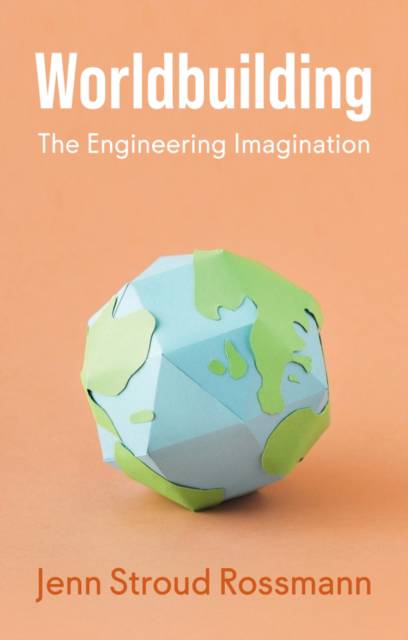
Engineers across the globe are building our future and, by extension, our world. But how can these engineers -- whose educations have often encoded historical gendered, raced, competitive, and capitalist norms -- responsibly engage in worldbuilding, which is both an art and a science? How can we better prepare the next generation to build a world that is more inclusive and intersectional?
In this concise and accessible book, writer and engineer Jenn Stroud Rossmann argues that we need to upgrade the "engineering imagination". By interrogating engineering's history and storytelling traditions, she reveals how we could better understand and anticipate the impacts and implications of new technology, and better envision alternative futures. Far from being a merely technical science, engineering has been shaped -- and can be revolutionised -- by the ways that we talk about the history of technology, how art and literature portray scientists and technologists, and the ways that we pass on knowledge through education.
Drawing upon sources as varied as literature, poetry, visual art, and film as well as history, theory, philosophy, and the technicalities of science, Worldbuilding is a guide to thoughtful technological citizenship for makers and users alike.
Specificaties
Betrokkenen
- Auteur(s):
- Uitgeverij:
Inhoud
- Aantal bladzijden:
- 190
- Taal:
- Engels
Eigenschappen
- Productcode (EAN):
- 9781509567133
- Verschijningsdatum:
- 1/09/2026
- Uitvoering:
- Hardcover
- Formaat:
- Genaaid


Alleen bij Standaard Boekhandel
+ 172 punten op je klantenkaart van Standaard Boekhandel
CADEAU

AANGERADEN


Beoordelingen
We publiceren alleen reviews die voldoen aan de voorwaarden voor reviews. Bekijk onze voorwaarden voor reviews.