


- Afhalen na 1 uur in een winkel met voorraad
- Gratis thuislevering in België vanaf € 30
- Ruim aanbod met 7 miljoen producten
- Afhalen na 1 uur in een winkel met voorraad
- Gratis thuislevering in België vanaf € 30
- Ruim aanbod met 7 miljoen producten




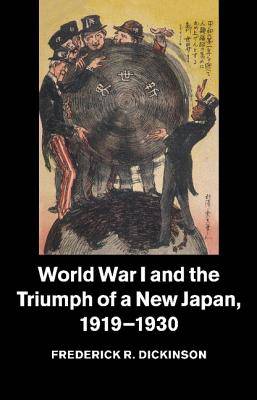
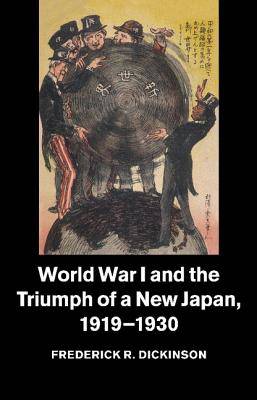
World War I and the Triumph of a New Japan, 1919-1930
Frederick R Dickinson
€ 67,95
+ 135 punten
Uitvoering
Eenvoudig bestellen
Veilig betalen


Gratis thuislevering vanaf € 30 (via bpost)
Gratis levering in je Standaard Boekhandel
Omschrijving
Frederick R. Dickinson illuminates a new, integrative history of interwar Japan that highlights the transformative effects of the Great War far from the Western Front. World War I and the Triumph of a New Japan, 1919-1930 reveals how Japan embarked upon a decade of national reconstruction following the Paris Peace Conference, rivalling the monumental rebuilding efforts in post-Versailles Europe. Taking World War I as his anchor, Dickinson examines the structural foundations of a new Japan, discussing the country's wholehearted participation in new post-war projects of democracy, internationalism, disarmament and peace. Dickinson proposes that Japan's renewed drive for military expansion in the 1930s marked less a failure of Japan's interwar culture than the start of a tumultuous domestic debate over the most desirable shape of Japan's twentieth-century world. This stimulating study will engage students and researchers alike, offering a unique, global perspective of interwar Japan.
Specificaties
Betrokkenen
- Auteur(s):
- Uitgeverij:
Inhoud
- Aantal bladzijden:
- 234
- Taal:
- Engels
- Reeks:
- Reeksnummer:
- nr. 39
Eigenschappen
- Productcode (EAN):
- 9781107544970
- Verschijningsdatum:
- 5/03/2015
- Uitvoering:
- Paperback
- Formaat:
- Trade paperback (VS)
- Afmetingen:
- 152 mm x 229 mm
- Gewicht:
- 317 g


Alleen bij Standaard Boekhandel
+ 135 punten op je klantenkaart van Standaard Boekhandel
CADEAU

AANGERADEN


Beoordelingen
We publiceren alleen reviews die voldoen aan de voorwaarden voor reviews. Bekijk onze voorwaarden voor reviews.