



Je cadeautjes zeker op tijd in huis hebben voor de feestdagen? Kom langs in onze winkels en vind het perfecte geschenk!
- Afhalen na 1 uur in een winkel met voorraad
- Gratis thuislevering in België vanaf € 30
- Ruim aanbod met 7 miljoen producten
Je cadeautjes zeker op tijd in huis hebben voor de feestdagen? Kom langs in onze winkels en vind het perfecte geschenk!
- Afhalen na 1 uur in een winkel met voorraad
- Gratis thuislevering in België vanaf € 30
- Ruim aanbod met 7 miljoen producten





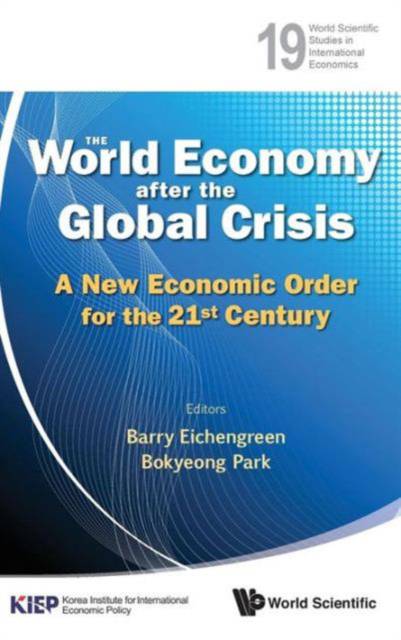
World Economy After the Global Crisis, The: A New Economic Order for the 21st Century
€ 134,45
+ 268 punten
Omschrijving
The global credit crisis of 2008-2009 was the most serious shock to the world economy in fully 80 years. It was for the world as a whole what the Asian crisis of 1997-1998 was for emerging markets: a profoundly alarming wake-up call. By laying bare the fragility of global markets, it raised troubling questions about the operation of our deeply integrated world economy. It cast doubt on the efficacy of the dominant mode of light-touch financial regulation and more generally on the efficacy of the prevailing commitment to economic and financial liberalization. It challenged the managerial capacity of inherited institutions of global governance. And it augured a changing of the guard, pointing to the possibility that the economies that had been the leaders in the "global growth stakes" in the past might no longer be the leaders in the future.What the crisis means for reform, however, is still unclear. This book brings together leading scholars and policy analysts to describe and weigh the options. Successive chapters assess options for the global financial system, the global trading system, the international monetary system, and the Group of 20 and global governance. A final set of chapters contemplates the policy challenges for emerging markets and the advanced economies in the wake of the financial crisis.
Specificaties
Betrokkenen
- Uitgeverij:
Inhoud
- Aantal bladzijden:
- 232
- Taal:
- Engels
- Reeks:
- Reeksnummer:
- nr. 19
Eigenschappen
- Productcode (EAN):
- 9789814383035
- Verschijningsdatum:
- 27/04/2012
- Uitvoering:
- Hardcover
- Formaat:
- Genaaid
- Afmetingen:
- 157 mm x 229 mm
- Gewicht:
- 544 g

Alleen bij Standaard Boekhandel
+ 268 punten op je klantenkaart van Standaard Boekhandel
CADEAU


Beoordelingen
We publiceren alleen reviews die voldoen aan de voorwaarden voor reviews. Bekijk onze voorwaarden voor reviews.