


- Afhalen na 1 uur in een winkel met voorraad
- Gratis thuislevering in België vanaf € 30
- Ruim aanbod met 7 miljoen producten
- Afhalen na 1 uur in een winkel met voorraad
- Gratis thuislevering in België vanaf € 30
- Ruim aanbod met 7 miljoen producten





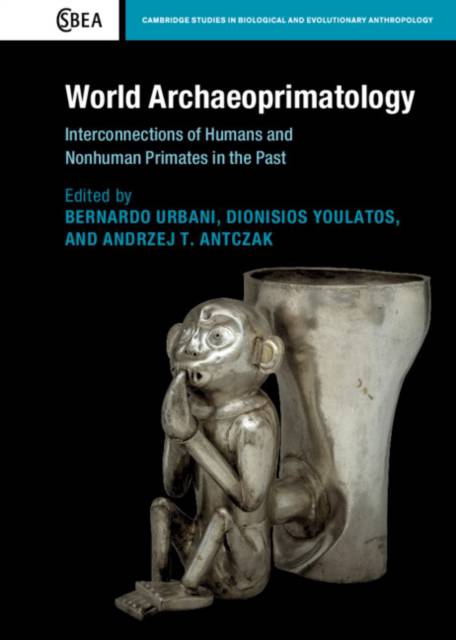
World Archaeoprimatology
Interconnections of Humans and Nonhuman Primates in the Past
€ 201,95
+ 403 punten
Omschrijving
Archaeoprimatology intertwines archaeology and primatology to understand the ancient liminal relationships between humans and nonhuman primates. During the last decade, novel studies have boosted this discipline. This edited volume is the first compendium of archaeoprimatological studies ever produced. Written by a culturally diverse group of scholars, with multiple theoretical views and methodological perspectives, it includes new zooarchaeological examinations and material culture evaluations, as well as innovative uses of oral and written sources. Themes discussed comprise the survey of past primates as pets, symbolic mediators, prey, iconographic references, or living commodities. The book covers different regions of the world, from the Americas to Asia, along with studies from Africa and Europe. Temporally, the chapters explore the human-nonhuman primate interface from deep in time to more recent historical times, examining both extinct and extant primate taxa. This anthology of archaeoprimatological studies will be of interest to archaeologists, primatologists, anthropologists, art historians, paleontologists, conservationists, zoologists, historical ecologists, philologists, and ethnobiologists.
Specificaties
Betrokkenen
- Uitgeverij:
Inhoud
- Aantal bladzijden:
- 556
- Taal:
- Engels
- Reeks:
Eigenschappen
- Productcode (EAN):
- 9781108487337
- Verschijningsdatum:
- 18/08/2022
- Uitvoering:
- Hardcover
- Formaat:
- Genaaid
- Afmetingen:
- 170 mm x 244 mm
- Gewicht:
- 1202 g


Alleen bij Standaard Boekhandel
+ 403 punten op je klantenkaart van Standaard Boekhandel
Cadeau

AANGERADEN


Beoordelingen
We publiceren alleen reviews die voldoen aan de voorwaarden voor reviews. Bekijk onze voorwaarden voor reviews.