


- Afhalen na 1 uur in een winkel met voorraad
- Gratis thuislevering in België vanaf € 30
- Ruim aanbod met 7 miljoen producten
- Afhalen na 1 uur in een winkel met voorraad
- Gratis thuislevering in België vanaf € 30
- Ruim aanbod met 7 miljoen producten





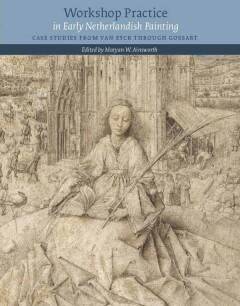
Omschrijving
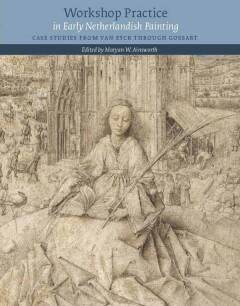
Recent technical examinations of Early Netherlandish art have propelled in-depth studies of key works far beyond traditional connoisseurship methods. Ingenious new applications, as well as a prodigious amount of comparative technical documentation, have changed our views of standard workshop practices, including issues of materials and techniques, and details about the precise nature of collaboration. The studies presented in this book illustrate the variety of approaches and findings in what can be called the new connoisseurship. Here the reader will find alternative methods of evaluating Jan van Eyck's Saint Barbara and Ghent Altarpiece, Dirk Bouts's canvas paintings, Jacb Cornelisz van Oostsanen's Berlin Sketchbook, the Evora Altarpiece and the Saint Anne Altarpiece from Gerard David's workshop, Jan Gossart's Malvagna Triptych, and a triptych by Pieter I Claeissens. These individual studies will be of interest not only to aficionados of Early Netherlandish painting, but also to students who are keen to learn about the pivotal role of technical studies for this period of art history.
Specificaties
Betrokkenen
- Auteur(s):
- Uitgeverij:
Inhoud
- Aantal bladzijden:
- 136
- Taal:
- Engels
- Reeks:
- Reeksnummer:
- nr. 10
- Geïllustreerd:
- Ja
Eigenschappen
- Productcode (EAN):
- 9782503566689
- Verschijningsdatum:
- 7/07/2017
- Uitvoering:
- Hardcover
- Formaat:
- Genaaid
- Afmetingen:
- 226 mm x 284 mm
- Gewicht:
- 975 g


Alleen bij Standaard Boekhandel
+ 233 punten op je klantenkaart van Standaard Boekhandel
Cadeau

AANGERADEN


Beoordelingen
We publiceren alleen reviews die voldoen aan de voorwaarden voor reviews. Bekijk onze voorwaarden voor reviews.