


- Afhalen na 1 uur in een winkel met voorraad
- Gratis thuislevering in België vanaf € 30
- Ruim aanbod met 7 miljoen producten
- Afhalen na 1 uur in een winkel met voorraad
- Gratis thuislevering in België vanaf € 30
- Ruim aanbod met 7 miljoen producten





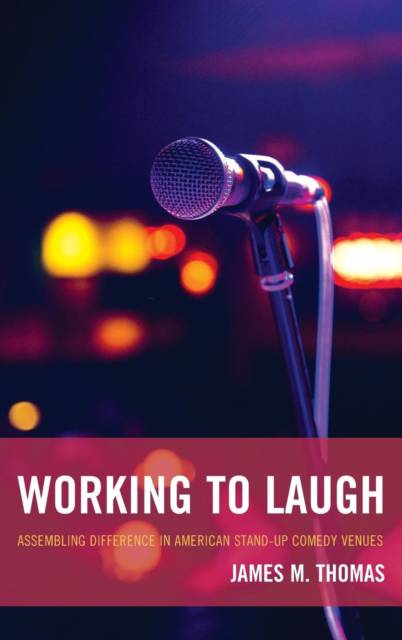
Working to Laugh
Assembling Difference in American Stand-Up Comedy Venues
James M Thomas
Hardcover | Engels
€ 195,45
+ 390 punten
Omschrijving
For decades, stand-up comedy has been central to the imbrication of popular culture and political discourse, reshaping the margins of political critique, and often within the contexts of urban nightlife entertainment. In Working to Laugh: Assembling Difference in American Stand-Up Comedy Venues, James M. Thomas (JT) provides an ethnographic analysis of urban nightlife sites where this popular form of entertainment occurs. Examining the relationship between the performance, the venue, and the social actors who participate in these scenes, JT demonstrates how stand-up venues function as both enablers and constrainers of social difference, including race, class, gender, and heteronormativity, within the larger urban nightlife environment. JT's analysis of a professional comedy club and a sub-cultural bar that hosts a weekly comedy show illuminates the full range of stand-up comedy in the American cultural milieu, from the highly organized, routinized, and predictable format of the professional venue, to the more unpredictable, and in some cases, cutting edge format of the amateur show.
Specificaties
Betrokkenen
- Auteur(s):
- Uitgeverij:
Inhoud
- Aantal bladzijden:
- 182
- Taal:
- Engels
Eigenschappen
- Productcode (EAN):
- 9780739189559
- Verschijningsdatum:
- 21/01/2015
- Uitvoering:
- Hardcover
- Formaat:
- Genaaid
- Afmetingen:
- 155 mm x 229 mm
- Gewicht:
- 399 g


Alleen bij Standaard Boekhandel
+ 390 punten op je klantenkaart van Standaard Boekhandel
Cadeau

AANGERADEN


Beoordelingen
We publiceren alleen reviews die voldoen aan de voorwaarden voor reviews. Bekijk onze voorwaarden voor reviews.