


- Afhalen na 1 uur in een winkel met voorraad
- Gratis thuislevering in België vanaf € 30
- Ruim aanbod met 7 miljoen producten
- Afhalen na 1 uur in een winkel met voorraad
- Gratis thuislevering in België vanaf € 30
- Ruim aanbod met 7 miljoen producten





€ 93,45
+ 186 punten
Omschrijving
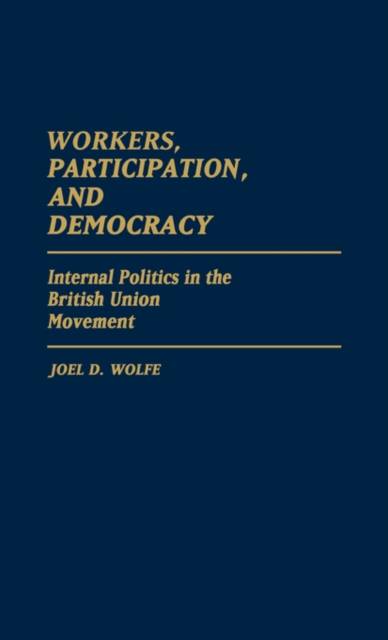
In this study of the British labor movement, Joel Wolfe asks whether participatory democracy is possible in modern large-scale union and party organizations and how rank and file members can exercise control of delegates in the face of constraints imposed by formal bureaucratic structures at all levels. In addressing these questions he formulates a theory of participatory democracy that has broad practical application to contemporary democratic practice in industiral and political organizations. He tests his model through an analysis of the policy-making process in the British labor movement during World War I, examining thoroughly and critically direct democracy in wartime work groups, the impact of these groups on policy-making in critical areas, and their influence on decision-makers in the Trades Union Congress and the British Labor Party.
Specificaties
Betrokkenen
- Auteur(s):
- Uitgeverij:
Inhoud
- Aantal bladzijden:
- 258
- Taal:
- Engels
- Reeks:
Eigenschappen
- Productcode (EAN):
- 9780313246920
- Verschijningsdatum:
- 19/11/1985
- Uitvoering:
- Hardcover
- Formaat:
- Genaaid
- Afmetingen:
- 140 mm x 216 mm
- Gewicht:
- 462 g


Alleen bij Standaard Boekhandel
+ 186 punten op je klantenkaart van Standaard Boekhandel
Cadeau

AANGERADEN


Beoordelingen
We publiceren alleen reviews die voldoen aan de voorwaarden voor reviews. Bekijk onze voorwaarden voor reviews.