


- Afhalen na 1 uur in een winkel met voorraad
- Gratis thuislevering in België vanaf € 30
- Ruim aanbod met 7 miljoen producten
- Afhalen na 1 uur in een winkel met voorraad
- Gratis thuislevering in België vanaf € 30
- Ruim aanbod met 7 miljoen producten





€ 39,95
+ 79 punten
Uitvoering
Omschrijving
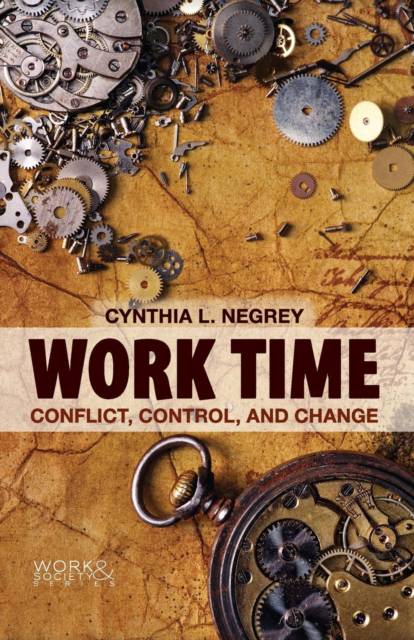
Work Time is a sociological overview of a complex web of relations that shapes much of our experience of work and life yet often goes without critical examination.
Cynthia Negrey examines work time past and present, exploring structural economic change and the gender division of labor to ask: what are the historical, cultural, public policy, and business sources of current work-time practices? Topics addressed include work-time reduction in the US culminating in the 40-hour statute of 1938, recent trends in annual and weekly hours, overtime, part-time work, temporary employment, work-family integration, and international comparisons. She focuses on the US in a global context and explores how a new political economy of work time is taking shape.
This book brings together existing knowledge from sociology, anthropology, history, labor economics, and family studies to answer its central question and will change the way upper-level students think about the time we devote to work.
Cynthia Negrey examines work time past and present, exploring structural economic change and the gender division of labor to ask: what are the historical, cultural, public policy, and business sources of current work-time practices? Topics addressed include work-time reduction in the US culminating in the 40-hour statute of 1938, recent trends in annual and weekly hours, overtime, part-time work, temporary employment, work-family integration, and international comparisons. She focuses on the US in a global context and explores how a new political economy of work time is taking shape.
This book brings together existing knowledge from sociology, anthropology, history, labor economics, and family studies to answer its central question and will change the way upper-level students think about the time we devote to work.
Specificaties
Betrokkenen
- Auteur(s):
- Uitgeverij:
Inhoud
- Aantal bladzijden:
- 200
- Taal:
- Engels
- Reeks:
Eigenschappen
- Productcode (EAN):
- 9780745654263
- Verschijningsdatum:
- 14/05/2012
- Uitvoering:
- Paperback
- Formaat:
- Trade paperback (VS)
- Afmetingen:
- 137 mm x 213 mm
- Gewicht:
- 317 g



Alleen bij Standaard Boekhandel
+ 79 punten op je klantenkaart van Standaard Boekhandel
Cadeau

AANGERADEN


Beoordelingen
We publiceren alleen reviews die voldoen aan de voorwaarden voor reviews. Bekijk onze voorwaarden voor reviews.