


- Afhalen na 1 uur in een winkel met voorraad
- Gratis thuislevering in België vanaf € 30
- Ruim aanbod met 7 miljoen producten
- Afhalen na 1 uur in een winkel met voorraad
- Gratis thuislevering in België vanaf € 30
- Ruim aanbod met 7 miljoen producten





€ 128,95
+ 257 punten
Omschrijving
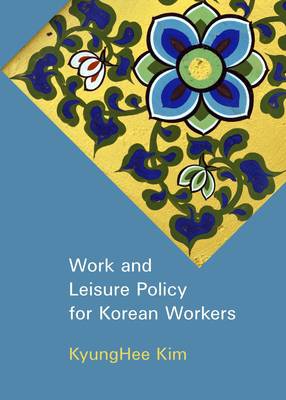
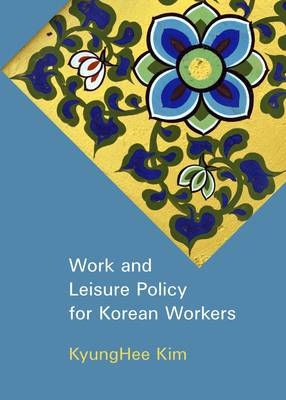
Working hours in Korea are considerably longer than those of most other countries throughout the world. The 40 hour workweek was eventually introduced in 2005, meaning that many people were finally no longer legally obliged to work on Saturdays or Sundays. Despite expectations that this legislation would have a remarkable impact on both society and each individual, Korea is still one of the highest ranked OECD countries in terms of the length of working hours. The reduced working hours have been filled with 'overwork' on weekdays or weekends. Given the large amount of time Koreans dedicate to work, concerns regarding leisure time and expenditure on leisure products are becoming increasingly significant. This book evolved from the initial questions 'why do Koreans work so hard for long hours?' and 'don't the Korean working population want to spend time on leisure?', and comes to surprising conclusions about the voluntary nature of the high working hours. In the process of solving its initial research questions, this book explores the historical formation of the working class, the labour market, and the relationship between work and leisure and leisure policy. It also conducts various forms of empirical research, such as questionnaire survey and interviews, and uses a range of different research methods, including case studies, comparative historical analysis and secondary data analysis. As such, this book will undoubtedly appeal to anyone wishing to understand more about Korean society, and to anyone with an interest in how a wide variety of research methods are brought together in real world research.
Specificaties
Betrokkenen
- Auteur(s):
- Uitgeverij:
Inhoud
- Aantal bladzijden:
- 249
- Taal:
- Engels
Eigenschappen
- Productcode (EAN):
- 9781443846196
- Verschijningsdatum:
- 16/07/2015
- Uitvoering:
- Hardcover
- Formaat:
- Genaaid
- Afmetingen:
- 152 mm x 206 mm
- Gewicht:
- 476 g


Alleen bij Standaard Boekhandel
+ 257 punten op je klantenkaart van Standaard Boekhandel
Cadeau

AANGERADEN


Beoordelingen
We publiceren alleen reviews die voldoen aan de voorwaarden voor reviews. Bekijk onze voorwaarden voor reviews.