


- Afhalen na 1 uur in een winkel met voorraad
- Gratis thuislevering in België vanaf € 30
- Ruim aanbod met 7 miljoen producten
- Afhalen na 1 uur in een winkel met voorraad
- Gratis thuislevering in België vanaf € 30
- Ruim aanbod met 7 miljoen producten





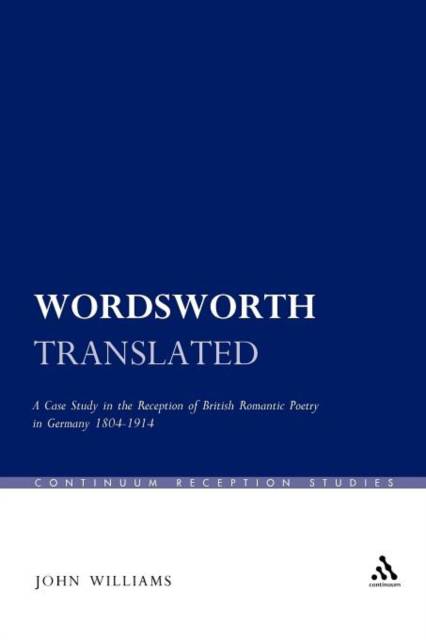
Wordsworth Translated
A Case Study in the Reception of British Romantic Poetry in Germany 1804-1914
John Williams
€ 89,95
+ 179 punten
Uitvoering
Omschrijving
British writers of the Romantic Period were popular in Germany throughout the nineteenth century, and translations of Scott, Burns, Moore, Hemans, and Byron (among others) became widespread. This study analyses the reception of William Wordsworth's poetry in 19th century Germany in relation to other romantic poets. Research into Anglo-German cultural relations has tended to see Wordsworth as of little or no interest to Germany but new research shows that Wordsworth was clearly of interest to German poets, translators and readers and that there was significantly more knowledge of and respect for Wordsworth's poetry, and interest in his ideas and beliefs, than has previously been recognised. Williams focuses particularly on the work of Friedrich Jacobsen, Ferdinand Freligrath and Marie Gothein, who span the early, middle, and late years of the century respectively and establishes the wider presence of many others translating, anthologising and commenting on Wordsworth poetry and beliefs.
Specificaties
Betrokkenen
- Auteur(s):
- Uitgeverij:
Inhoud
- Aantal bladzijden:
- 176
- Taal:
- Engels
- Reeks:
- Reeksnummer:
- nr. 25
Eigenschappen
- Productcode (EAN):
- 9781441131218
- Verschijningsdatum:
- 5/01/2012
- Uitvoering:
- Paperback
- Formaat:
- Trade paperback (VS)
- Afmetingen:
- 156 mm x 234 mm
- Gewicht:
- 249 g


Alleen bij Standaard Boekhandel
+ 179 punten op je klantenkaart van Standaard Boekhandel
AANGERADEN


Beoordelingen
We publiceren alleen reviews die voldoen aan de voorwaarden voor reviews. Bekijk onze voorwaarden voor reviews.