


- Afhalen na 1 uur in een winkel met voorraad
- Gratis thuislevering in België vanaf € 30
- Ruim aanbod met 7 miljoen producten
- Afhalen na 1 uur in een winkel met voorraad
- Gratis thuislevering in België vanaf € 30
- Ruim aanbod met 7 miljoen producten





€ 220,45
+ 440 punten
Uitvoering
Omschrijving
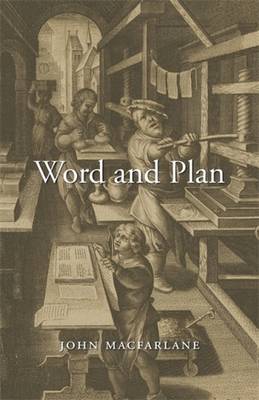
We commonly believe that communication is successful when a hearer grasps what a speaker means. But Abe can assert "Sam is tall" without having any definite intention about how tall one must be to count as "tall," and Bertha can understand his assertion without grasping such an intention. What exactly has been communicated in such a case? John MacFarlane argues that standard models of meaning and communication cannot answer this question. To answer it, he proposes, we need to see vague talk as not purely factual but in part expressive of linguistic plans. In this book, he gives a novel expressivist account of vagueness and explores its implications for semantics, pragmatics, thought, and disagreement.
Specificaties
Betrokkenen
- Auteur(s):
- Uitgeverij:
Inhoud
- Aantal bladzijden:
- 224
- Taal:
- Engels
- Reeks:
Eigenschappen
- Productcode (EAN):
- 9780231212809
- Verschijningsdatum:
- 26/05/2026
- Uitvoering:
- Hardcover
- Formaat:
- Genaaid
- Afmetingen:
- 140 mm x 216 mm
- Gewicht:
- 417 g


Alleen bij Standaard Boekhandel
+ 440 punten op je klantenkaart van Standaard Boekhandel
Cadeau

AANGERADEN


Beoordelingen
We publiceren alleen reviews die voldoen aan de voorwaarden voor reviews. Bekijk onze voorwaarden voor reviews.