


- Afhalen na 1 uur in een winkel met voorraad
- Gratis thuislevering in België vanaf € 30
- Ruim aanbod met 7 miljoen producten
- Afhalen na 1 uur in een winkel met voorraad
- Gratis thuislevering in België vanaf € 30
- Ruim aanbod met 7 miljoen producten





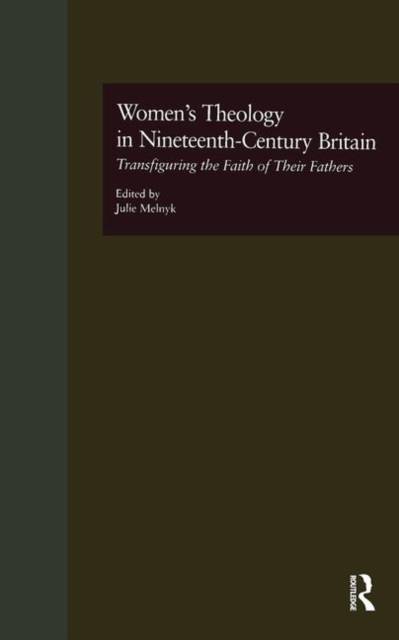
Women's Theology in Nineteenth-Century Britain
Transfiguring the Faith of Their Fathers
€ 202,95
+ 405 punten
Omschrijving
First published in 1998. This collection of original essays identifies and analyzes 19th-century women's theological thought in all its diversity, demonstrating the ways that women revised, subverted, or rejected elements of masculine theology in creating theologies of their own. While women's religion has been widely studied, this is the only collection of essays that examines 19th-century women's theology as such A substantial introduction clarifies the relationships between religion and theology and discusses the barriers to women's participation in theological discourse as well as the ways women overcame or avoided these barriers. The essays analyze theological ideas in a variety of genres. The first group of essays discusses women's nonfiction prose, including women's devotional writings on the Apocalypse; devotional prose by Christina Rossetti and its similarities to the work of Hildegard von Bingen; periodical prose by Anna Jameson and Julia Wedgwood; and the letters of Harriet and Jemima Newman, sisters of John Henry Newman. Other essays examine the novel, presenting analysis of the theologies of novelists Emma Jane Worboise, Charlotte M. Yonge, and Mary Arnold Ward. Further essays discuss the theological ideas of two purity reformers, Josephine Butler and Ellice Hopkins, while the final essays move beyond Victorian Christianity to examine spiritualist and Buddhist theology by women This collection will be important to students and scholars interested in Victorian culture and ideas-literary critics, historians, and theologians-and particularly to those in women's studies and religious studies.
Specificaties
Betrokkenen
- Uitgeverij:
Inhoud
- Aantal bladzijden:
- 260
- Taal:
- Engels
- Reeks:
- Reeksnummer:
- nr. 3
Eigenschappen
- Productcode (EAN):
- 9780815327936
- Verschijningsdatum:
- 1/12/1997
- Uitvoering:
- Hardcover
- Formaat:
- Genaaid
- Afmetingen:
- 145 mm x 224 mm
- Gewicht:
- 458 g

Alleen bij Standaard Boekhandel
+ 405 punten op je klantenkaart van Standaard Boekhandel
Cadeau

AANGERADEN


Beoordelingen
We publiceren alleen reviews die voldoen aan de voorwaarden voor reviews. Bekijk onze voorwaarden voor reviews.