


- Afhalen na 1 uur in een winkel met voorraad
- Gratis thuislevering in België vanaf € 30
- Ruim aanbod met 7 miljoen producten
- Afhalen na 1 uur in een winkel met voorraad
- Gratis thuislevering in België vanaf € 30
- Ruim aanbod met 7 miljoen producten





€ 19,99
+ 19 punten
Omschrijving
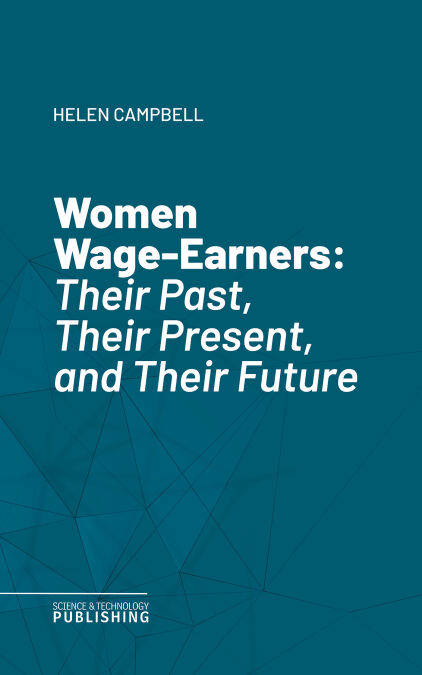
Women Wage-Earners: Their Past, Their Present, and Their Future by Helen Campbell is a pioneering work of social and economic analysis first published in 1893. This comprehensive study explores the historical, social, and economic conditions that have shaped the lives of working women in the United States. Campbell meticulously traces the evolution of women’s labor from early colonial times through the industrial revolution, highlighting the shifting roles and expectations placed upon women as they entered the workforce in increasing numbers. The book delves into the various industries and occupations where women found employment, such as textile mills, domestic service, teaching, and factory work, providing detailed accounts of their working conditions, wages, and the challenges they faced. Campbell examines the impact of industrialization, urbanization, and changing social attitudes on women’s opportunities and rights, emphasizing the persistent inequalities and exploitation that characterized much of women’s wage-earning experience. Drawing on statistical data, personal narratives, and contemporary reports, Campbell offers a vivid portrait of the daily realities faced by working women, including long hours, low pay, lack of legal protections, and limited access to education and advancement. She also addresses the broader implications of women’s economic participation for society, family life, and the movement for women’s rights. In the final sections, Campbell looks to the future, advocating for reforms such as improved labor laws, better educational opportunities, and the organization of women workers. She argues that the economic independence of women is essential for their social and political empowerment, and calls for collective action to secure fair wages, safe working conditions, and equal opportunities. Women Wage-Earners stands as a landmark in feminist literature and labor history, offering a compelling and compassionate analysis of the struggles and achievements of working women. It remains a valuable resource for understanding the roots of women’s labor movements and the ongoing quest for gender equality in the workplace.
Specificaties
Betrokkenen
- Auteur(s):
- Uitgeverij:
Inhoud
- Taal:
- Engels
Eigenschappen
- Productcode (EAN):
- 9782528102053
- Verschijningsdatum:
- 31/08/2025
- Uitvoering:
- E-book
- Formaat:
- ePub


Alleen bij Standaard Boekhandel
+ 19 punten op je klantenkaart van Standaard Boekhandel
Cadeau

AANGERADEN


Beoordelingen
We publiceren alleen reviews die voldoen aan de voorwaarden voor reviews. Bekijk onze voorwaarden voor reviews.