


- Afhalen na 1 uur in een winkel met voorraad
- Gratis thuislevering in België vanaf € 30
- Ruim aanbod met 7 miljoen producten
- Afhalen na 1 uur in een winkel met voorraad
- Gratis thuislevering in België vanaf € 30
- Ruim aanbod met 7 miljoen producten





€ 90,00
+ 180 punten
Eenvoudig bestellen
Veilig betalen


Gratis thuislevering vanaf € 30 (via bpost)
Gratis levering in je Standaard Boekhandel
Omschrijving
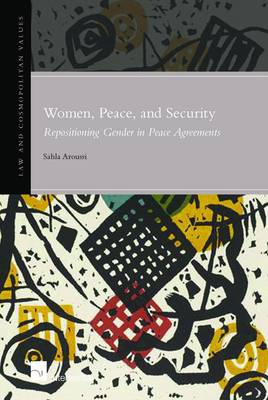
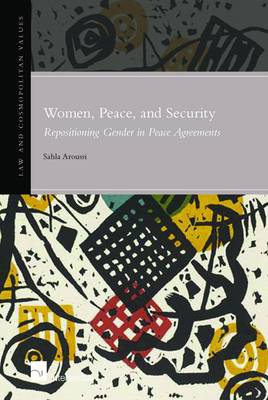
The adoption of Security Council resolution 1325 on women, peace and security in October 2000 marked the beginning of a global agenda on women in armed conflicts and post-conflict transition. Women, Peace and Security: Repositioning gender in peace agreements discusses the context and the content of this UN agenda and provides a systematic review of its implementation, over the last fifteen years, in peace agreements around the world.This book is timely, offering a valuable contribution to the literature on gender in armed conflicts, peace agreements, peace mediation, and transitional justice and is essential reading for practitioners and scholars working in this field. The study adopts an interdisciplinary approach to raise key theoretical and practical questions often overlooked by scholars working within the strict boundaries of the distinct disciplines. The book introduces a new dataset on peace agreements that provides important comprehensive evidence on the extent to which resolution 1325 and other subsequent resolutions on women, peace and security have impacted on peace agreements. Through the reflections of elite peacemakers, the book provides additional insights into the practice of peacemaking and the challenges of implementing the UN resolutions on women, peace and security on the ground.The findings of this book have important policy implications for governments, international organisations and NGOs who must refocus their efforts on bridging the gap between the theory and practice of gender sensitive peacemaking.
Specificaties
Betrokkenen
- Auteur(s):
- Uitgeverij:
Inhoud
- Aantal bladzijden:
- 334
- Taal:
- Engels
- Reeks:
Eigenschappen
- Productcode (EAN):
- 9781780683195
- Verschijningsdatum:
- 14/08/2015
- Uitvoering:
- Hardcover
- Formaat:
- Genaaid
- Afmetingen:
- 165 mm x 246 mm
- Gewicht:
- 698 g


Alleen bij Standaard Boekhandel
+ 180 punten op je klantenkaart van Standaard Boekhandel
CADEAU

AANGERADEN


Beoordelingen
We publiceren alleen reviews die voldoen aan de voorwaarden voor reviews. Bekijk onze voorwaarden voor reviews.