


- Afhalen na 1 uur in een winkel met voorraad
- Gratis thuislevering in België vanaf € 30
- Ruim aanbod met 7 miljoen producten
- Afhalen na 1 uur in een winkel met voorraad
- Gratis thuislevering in België vanaf € 30
- Ruim aanbod met 7 miljoen producten





€ 254,45
+ 508 punten
Uitvoering
Omschrijving
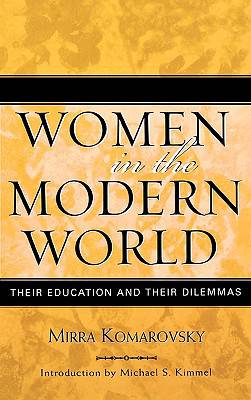
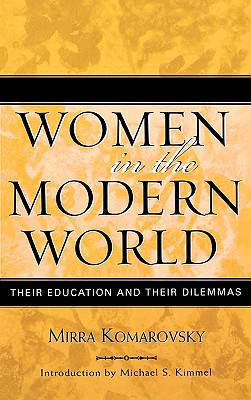
In Women in the Modern World, noted feminist and sociologist Mirra Komarovsky begins with a consideration of biology. Reflecting on these now-familiar arguments that the natural biological differences between women and men dictate different social roles, Komarovsky demolishes these arguments by carefully reviewing studies that find sex differences in cognitive abilities, achievement, and psychological predispositions. In successive chapters, Komarovsky explores how differential socialization produces the differences that we think we observe between women and men, and how gender inequality disfigures the lives of women, men, and the relationships between them. One chapter examines how it plays out among college students at Barnard in the first college generation after the Second World War. Many of these bright and ambitious women feel trapped between their talents and the constraints of feminine domesticity mapped out for them by social expectations. Successive chapters examine the costs of choosing either alternative. Full-time homemakers feel, at best, overworked and undervalued, and at worst resentful and bitter. Many regret the 'painful reorganization of life, ' and long, instead 'for the relinquished occupation.' It is this longing, she argues that leads so many women to 'flit from one evanescent interest to another, arriving at late or middle age without anything that would given meaning or continuity to their lives.'
Specificaties
Betrokkenen
- Auteur(s):
- Uitgeverij:
Inhoud
- Aantal bladzijden:
- 352
- Taal:
- Engels
- Reeks:
- Reeksnummer:
- nr. 6
Eigenschappen
- Productcode (EAN):
- 9780759107274
- Verschijningsdatum:
- 18/08/2004
- Uitvoering:
- Hardcover
- Formaat:
- Genaaid
- Afmetingen:
- 152 mm x 229 mm
- Gewicht:
- 684 g


Alleen bij Standaard Boekhandel
+ 508 punten op je klantenkaart van Standaard Boekhandel
AANGERADEN


Beoordelingen
We publiceren alleen reviews die voldoen aan de voorwaarden voor reviews. Bekijk onze voorwaarden voor reviews.