


- Afhalen na 1 uur in een winkel met voorraad
- Gratis thuislevering in België vanaf € 30
- Ruim aanbod met 7 miljoen producten
- Afhalen na 1 uur in een winkel met voorraad
- Gratis thuislevering in België vanaf € 30
- Ruim aanbod met 7 miljoen producten




Omschrijving
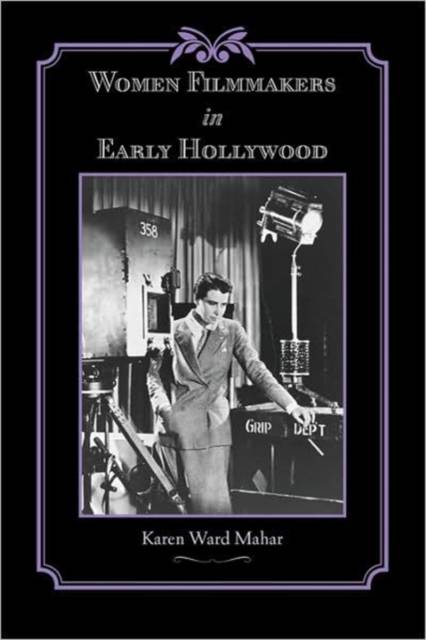
Women Filmmakers in Early Hollywood explores when, how, and why women were accepted as filmmakers in the 1910s and why, by the 1920s, those opportunities had disappeared. In looking at the early film industry as an industry-a place of work-Mahar not only unravels the mystery of the disappearing female filmmaker but untangles the complicated relationship among gender, work culture, and business within modern industrial organizations. In the early 1910s, the film industry followed a theatrical model, fostering an egalitarian work culture in which everyone-male and female-helped behind the scenes in a variety of jobs. In this culture women thrived in powerful, creative roles, especially as writers, directors, and producers. By the end of that decade, however, mushrooming star salaries and skyrocketing movie budgets prompted the creation of the studio system. As the movie industry remade itself in the image of a modern American business, the masculinization of filmmaking took root. Mahar's study integrates feminist methodologies of examining the gendering of work with thorough historical scholarship of American industry and business culture. Tracing the transformation of the film industry into a legitimate "big business" of the 1920s, and explaining the fate of the female filmmaker during the silent era, Mahar demonstrates how industrial growth and change can unexpectedly open-and close-opportunities for women.
Specificaties
Betrokkenen
- Auteur(s):
- Uitgeverij:
Inhoud
- Aantal bladzijden:
- 332
- Taal:
- Engels
- Reeks:
Eigenschappen
- Productcode (EAN):
- 9780801890840
- Verschijningsdatum:
- 22/07/2008
- Uitvoering:
- Paperback
- Formaat:
- Trade paperback (VS)
- Afmetingen:
- 152 mm x 229 mm
- Gewicht:
- 485 g


Alleen bij Standaard Boekhandel
+ 102 punten op je klantenkaart van Standaard Boekhandel
AANGERADEN


Beoordelingen
We publiceren alleen reviews die voldoen aan de voorwaarden voor reviews. Bekijk onze voorwaarden voor reviews.