


- Afhalen na 1 uur in een winkel met voorraad
- Gratis thuislevering in België vanaf € 30
- Ruim aanbod met 7 miljoen producten
- Afhalen na 1 uur in een winkel met voorraad
- Gratis thuislevering in België vanaf € 30
- Ruim aanbod met 7 miljoen producten





€ 127,20
+ 254 punten
Omschrijving
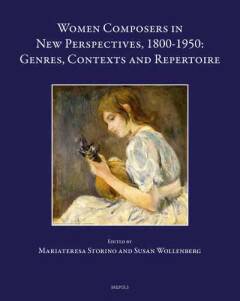
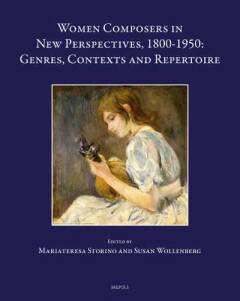
This volume offers new scholarship on women composers of the past two centuries, covering a wide range of repertoire, institutions and locations, with chapters focusing on such varied topics as women writing opera in early nineteenth-century Paris; the intertextual relationship between works by Fanny Hensel and Felix Mendelssohn; women composers writing for instruments not usually associated with them in their time - specifically horn, and organ; and the subversive musical activity of female prisoners in Spain under the Franco regime. In two introductory chapters the editors present their broad perspective on women composers both in history and in modern scholarship, with particular reference to socio-historical and pedagogical aspects, and arguing the case for continued efforts to promote women's music. The 14 chapters that follow are arranged in two parts, divided between nineteenth- and twentieth-century topics. Their authors draw on a variety of sources, including archival documents, letters, diaries, and memoirs, to illuminate the musical works produced by women during the period and the contexts in which they were written, performed, and disseminated. Collectively the chapters demonstrate the richness inherent in this area of study; in reflecting some of the directions being explored in current scholarship, they provide impetus for further research.
Specificaties
Betrokkenen
- Auteur(s):
- Uitgeverij:
Inhoud
- Aantal bladzijden:
- 362
- Taal:
- Frans
- Reeks:
- Reeksnummer:
- nr. 49
Eigenschappen
- Productcode (EAN):
- 9782503606309
- Verschijningsdatum:
- 30/03/2023
- Uitvoering:
- Hardcover
- Formaat:
- Genaaid
- Gewicht:
- 1016 g


Alleen bij Standaard Boekhandel
+ 254 punten op je klantenkaart van Standaard Boekhandel
Cadeau

AANGERADEN


Beoordelingen
We publiceren alleen reviews die voldoen aan de voorwaarden voor reviews. Bekijk onze voorwaarden voor reviews.