


- Afhalen na 1 uur in een winkel met voorraad
- Gratis thuislevering in België vanaf € 30
- Ruim aanbod met 7 miljoen producten
- Afhalen na 1 uur in een winkel met voorraad
- Gratis thuislevering in België vanaf € 30
- Ruim aanbod met 7 miljoen producten





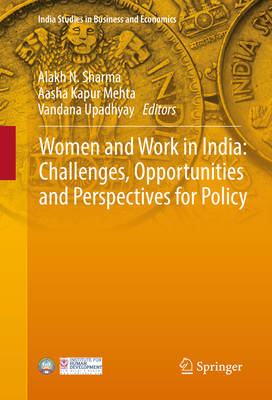
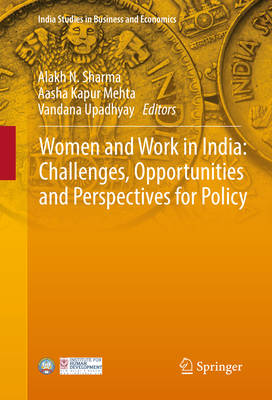
Women and Work in India: Challenges, Opportunities and Perspectives for Policy
€ 305,45
+ 610 punten
Omschrijving
This book consisting of 24 chapters provides a comprehensive analysis of the complexities of women's work in India. Drawing on a wide range of primary and secondary data sources it offers fresh perspectives on long-term patterns and emerging trends. It sheds light on trends in gender equality in employment, the stubbornly low Female Labour Force Participation Rate (FLFPR), the continued invisibility of women's work, and the shortcomings of official labour force surveys in capturing women's economic contributions. It also explores gendered labour market barriers linked to caregiving responsibilities, social group identities, and the high unemployment rates among educated women. Several chapters address persistent issues of discrimination and inequality, including how rising educational attainment among women has shaped labour market outcomes. It critically assesses the growing sectors of childcare and gig work, often viewed as potential pathways to better-paid employment for women, highlighting both their opportunities and limitations. Further, the book provides the policy measures required to enhance women's labour participation; challenges specific to urban contexts and key policies related to public employment and social protection for women. This volume is a valuable resource for researchers, civil society organisations, development practitioners, and policymakers working on women's employment. It is equally relevant for educators and students in gender studies, labour economics, employment research, and development studies.
Specificaties
Betrokkenen
- Uitgeverij:
Inhoud
- Aantal bladzijden:
- 596
- Taal:
- Engels
- Reeks:
Eigenschappen
- Productcode (EAN):
- 9789819561025
- Verschijningsdatum:
- 15/01/2026
- Uitvoering:
- Hardcover
- Formaat:
- Genaaid
- Afmetingen:
- 156 mm x 234 mm
- Gewicht:
- 1034 g

Alleen bij Standaard Boekhandel
+ 610 punten op je klantenkaart van Standaard Boekhandel
Cadeau

AANGERADEN


Beoordelingen
We publiceren alleen reviews die voldoen aan de voorwaarden voor reviews. Bekijk onze voorwaarden voor reviews.