


- Afhalen na 1 uur in een winkel met voorraad
- Gratis thuislevering in België vanaf € 30
- Ruim aanbod met 7 miljoen producten
- Afhalen na 1 uur in een winkel met voorraad
- Gratis thuislevering in België vanaf € 30
- Ruim aanbod met 7 miljoen producten





€ 191,95
+ 383 punten
Uitvoering
Omschrijving
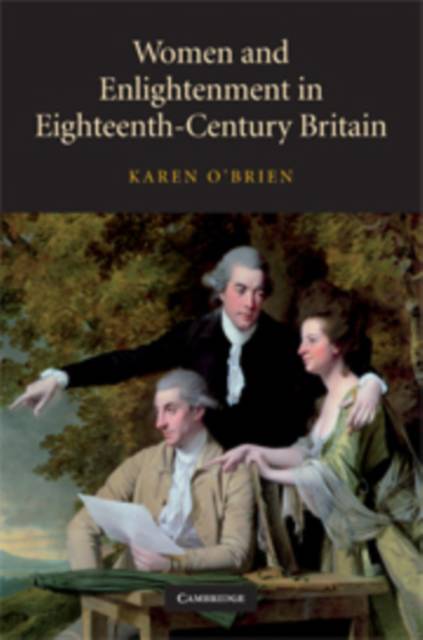
During the long eighteenth century, ideas of society and of social progress were first fully investigated. These investigations took place in the contexts of economic, theological, historical and literary writings which paid unprecedented attention to the place of women. Combining intellectual history with literary criticism, Karen O'Brien examines the central importance to the British Enlightenment both of women writers and of women as a subject of enquiry. She examines the work of a range of writers, including John Locke, Mary Astell, David Hume, Adam Smith, Edward Gibbon, T. R. Malthus, the Bluestockings, Catharine Macaulay, Mary Wollstonecraft and the first female historians of the early nineteenth century. She explores the way in which Enlightenment ideas created a language and a framework for understanding the moral agency and changing social roles of women, without which the development of nineteenth-century feminism would not have been possible.
Specificaties
Betrokkenen
- Auteur(s):
- Uitgeverij:
Inhoud
- Aantal bladzijden:
- 320
- Taal:
- Engels
Eigenschappen
- Productcode (EAN):
- 9780521773492
- Verschijningsdatum:
- 05/03/2009
- Uitvoering:
- Hardcover
- Formaat:
- Genaaid
- Afmetingen:
- 152 mm x 229 mm
- Gewicht:
- 635 g


Alleen bij Standaard Boekhandel
+ 383 punten op je klantenkaart van Standaard Boekhandel
Cadeau

AANGERADEN


Beoordelingen
We publiceren alleen reviews die voldoen aan de voorwaarden voor reviews. Bekijk onze voorwaarden voor reviews.