


- Afhalen na 1 uur in een winkel met voorraad
- Gratis thuislevering in België vanaf € 30
- Ruim aanbod met 7 miljoen producten
- Afhalen na 1 uur in een winkel met voorraad
- Gratis thuislevering in België vanaf € 30
- Ruim aanbod met 7 miljoen producten





€ 225,95
+ 451 punten
Omschrijving
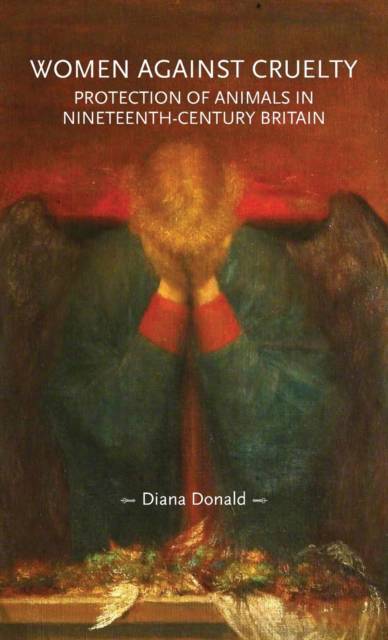
This is the first book to explore women's leading role in animal protection in nineteenth-century Britain, drawing on rich archival sources. Women founded bodies such as the Battersea Dogs' Home, the Royal Society for the Protection of Birds and various groups that opposed vivisection. They energetically promoted better treatment of animals, both through practical action and through their writings, such as Anna Sewell's Black Beauty. Yet their efforts were frequently belittled by opponents, or decried as typifying female 'sentimentality' and hysteria. Only the development of feminism in the later Victorian period enabled women to show that spontaneous fellow-feeling with animals was a civilising force. Women's own experience of oppressive patriarchy bonded them with animals, who equally suffered from the dominance of masculine values in society, and from an assumption that all-powerful humans were entitled to exploit animals at will.
Specificaties
Betrokkenen
- Auteur(s):
- Uitgeverij:
Inhoud
- Aantal bladzijden:
- 296
- Taal:
- Engels
- Reeks:
Eigenschappen
- Productcode (EAN):
- 9781526115423
- Verschijningsdatum:
- 22/10/2019
- Uitvoering:
- Hardcover
- Formaat:
- Genaaid
- Afmetingen:
- 140 mm x 218 mm
- Gewicht:
- 476 g


Alleen bij Standaard Boekhandel
+ 451 punten op je klantenkaart van Standaard Boekhandel
CADEAU

AANGERADEN


Beoordelingen
We publiceren alleen reviews die voldoen aan de voorwaarden voor reviews. Bekijk onze voorwaarden voor reviews.