


- Afhalen na 1 uur in een winkel met voorraad
- Gratis thuislevering in België vanaf € 30
- Ruim aanbod met 7 miljoen producten
- Afhalen na 1 uur in een winkel met voorraad
- Gratis thuislevering in België vanaf € 30
- Ruim aanbod met 7 miljoen producten


Omschrijving
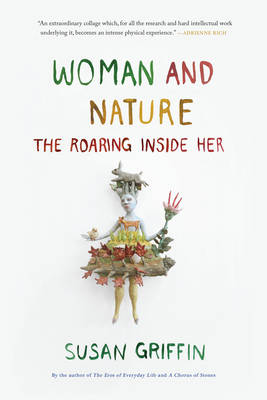
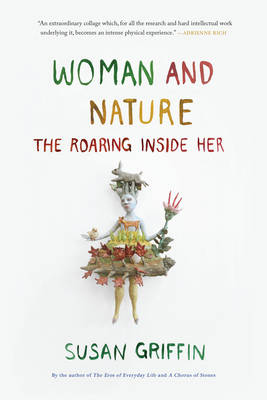
In this famously provocative cornerstone of feminist literature, Susan Griffin explores the identification of women with the earth--both as sustenance for humanity and as victim of male rage. Starting from Plato's fateful division of the world into spirit and matter, her analysis of how patriarchal Western philosophy and religion have used language and science to bolster their power over both women and nature is brilliant and persuasive, coming alive in poetic prose.
Griffin draws on an astonishing range of sources--from timbering manuals to medical texts to Scripture and classical literature--in showing how destructive has been the impulse to disembody the human soul, and how the long separated might once more be rejoined. Poet Adrienne Rich calls Woman and Nature "perhaps the most extraordinary nonfiction work to have merged from the matrix of contemporary female consciousness--a fusion of patriarchal science, ecology, female history and feminism, written by a poet who has created a new form for her vision. ...The book has the impact of a great film or a fresco; yet it is intimately personal, touching to the quick of woman's experience."
Griffin draws on an astonishing range of sources--from timbering manuals to medical texts to Scripture and classical literature--in showing how destructive has been the impulse to disembody the human soul, and how the long separated might once more be rejoined. Poet Adrienne Rich calls Woman and Nature "perhaps the most extraordinary nonfiction work to have merged from the matrix of contemporary female consciousness--a fusion of patriarchal science, ecology, female history and feminism, written by a poet who has created a new form for her vision. ...The book has the impact of a great film or a fresco; yet it is intimately personal, touching to the quick of woman's experience."
Specificaties
Betrokkenen
- Auteur(s):
- Uitgeverij:
Inhoud
- Aantal bladzijden:
- 300
- Taal:
- Engels
Eigenschappen
- Productcode (EAN):
- 9781619028371
- Verschijningsdatum:
- 13/09/2016
- Uitvoering:
- Paperback
- Formaat:
- Trade paperback (VS)
- Afmetingen:
- 150 mm x 226 mm
- Gewicht:
- 408 g


Alleen bij Standaard Boekhandel
+ 49 punten op je klantenkaart van Standaard Boekhandel
Wedstrijd


Beoordelingen
We publiceren alleen reviews die voldoen aan de voorwaarden voor reviews. Bekijk onze voorwaarden voor reviews.