Standaard Boekhandel gebruikt cookies en gelijkaardige technologieën om de website goed te laten werken en je een betere surfervaring te bezorgen.
Hieronder kan je kiezen welke cookies je wilt inschakelen:
Technische en functionele cookies
Deze cookies zijn essentieel om de website goed te laten functioneren, en laten je toe om bijvoorbeeld in te loggen. Je kan deze cookies niet uitschakelen.
Analytische cookies
Deze cookies verzamelen anonieme informatie over het gebruik van onze website. Op die manier kunnen we de website beter afstemmen op de behoeften van de gebruikers.
Marketingcookies
Deze cookies delen je gedrag op onze website met externe partijen, zodat je op externe platformen relevantere advertenties van Standaard Boekhandel te zien krijgt.
Je cadeautjes zeker op tijd in huis hebben voor de feestdagen? Kom langs in onze winkels en vind het perfecte geschenk!
Afhalen na 1 uur in een winkel met voorraad
Gratis thuislevering in België vanaf € 30
Ruim aanbod met 7 miljoen producten
Je cadeautjes zeker op tijd in huis hebben voor de feestdagen? Kom langs in onze winkels en vind het perfecte geschenk!
Je kan maximaal 250 producten tegelijk aan je winkelmandje toevoegen. Verwijdere enkele producten uit je winkelmandje, of splits je bestelling op in meerdere bestellingen.
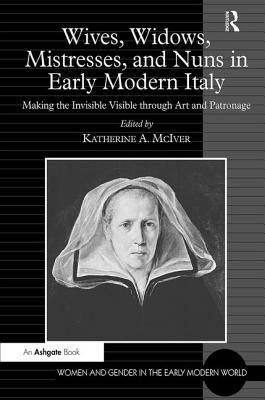
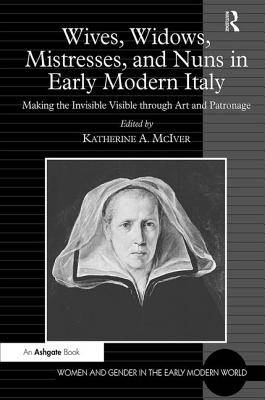
Through a visually oriented investigation of historical (in)visibility in early modern Italy, the essays in this volume recover those women - wives, widows, mistresses, the illegitimate - who have been erased from history in modern literature, rendered invisible or obscured by history or scholarship, as well as those who were overshadowed by male relatives, political accident, or spatial location. A multi-faceted invisibility of the individual and of the object is the thread that unites the chapters in this volume. Though some women chose to be invisible, for example the cloistered nun, these essays show that in fact, their voices are heard or seen through their commissions and their patronage of the arts, which afforded them some visibility. Invisibility is also examined in terms of commissions which are no longer extant or are inaccessible. What is revealed throughout the essays is a new way of looking at works of art, a new way to visualize the past by addressing representational invisibility, the marginalized or absent subject or object and historical (in)visibility to discover who does the 'looking, ' and how this shapes how something or someone is visible or invisible. The result is a more nuanced understanding of the place of women and gender in early modern Italy.