


- Afhalen na 1 uur in een winkel met voorraad
- Gratis thuislevering in België vanaf € 30
- Ruim aanbod met 7 miljoen producten
- Afhalen na 1 uur in een winkel met voorraad
- Gratis thuislevering in België vanaf € 30
- Ruim aanbod met 7 miljoen producten





Omschrijving
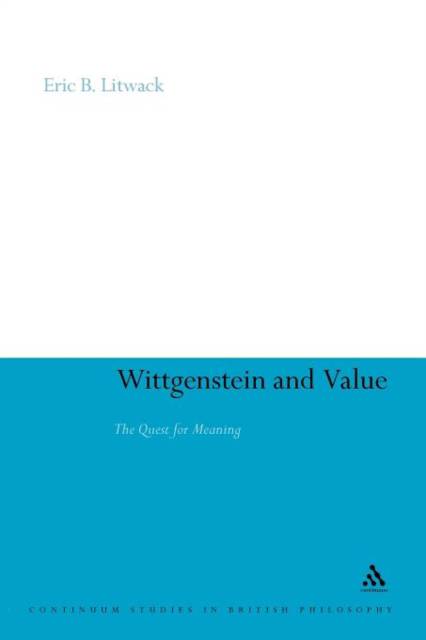
Ludwig Wittgenstein (1889-1951) was one of the most important and influential thinkers of the 20th century. In Wittgenstein and Value, Eric B. Litwack attempts to clarify his many challenging ideas and arguments related to the notion of value and the implications of his work for debates in contemporary ethics, aesthetics and religious studies.
Litwack shows that Wittgenstein was engaged in a project of philosophical anthropology, which set him against some of the main currents of 20th century intellectual life. The book explores the key notions in Wittgenstein's philosophy of mind and language and reveals how he developed a consistently expressionistic conception of value, in its many manifestations. Litwack also examines some of the key arguments of post-Wittgensteinian philosophers in the analytic Anglo-American tradition and explores the ways in which they have used Wittgenstein's arguments in addressing contemporary philosophical problems.Specificaties
Betrokkenen
- Auteur(s):
- Uitgeverij:
Inhoud
- Aantal bladzijden:
- 190
- Taal:
- Engels
- Reeks:
- Reeksnummer:
- nr. 105
Eigenschappen
- Productcode (EAN):
- 9781441150370
- Verschijningsdatum:
- 5/01/2012
- Uitvoering:
- Paperback
- Formaat:
- Trade paperback (VS)
- Afmetingen:
- 156 mm x 234 mm
- Gewicht:
- 272 g


Alleen bij Standaard Boekhandel
+ 179 punten op je klantenkaart van Standaard Boekhandel
Cadeau

AANGERADEN


Beoordelingen
We publiceren alleen reviews die voldoen aan de voorwaarden voor reviews. Bekijk onze voorwaarden voor reviews.