



- Afhalen na 1 uur in een winkel met voorraad
- In januari gratis thuislevering in België
- Ruim aanbod met 7 miljoen producten
- Afhalen na 1 uur in een winkel met voorraad
- In januari gratis thuislevering in België
- Ruim aanbod met 7 miljoen producten




€ 148,45
+ 296 punten
Uitvoering
Omschrijving
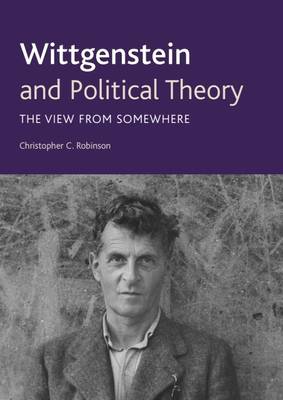
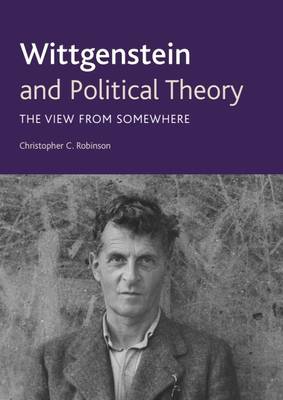
Ludwig Wittgenstein was arguably the most important philosopher of the twentieth century. Although his writings have influenced a range of philosophical and cultural movements, this effect was not felt strongly in political theory. Indeed, the most comprehensive study of Wittgenstein and political theory was published over thirty five years ago.Wittgenstein and Political Theory sets out to reconnect Wittgenstein with a range of problems and trends within contemporary political theory. The central argument of the book is that Wittgenstein offers scholars doing the difficult work of theorizing political life today an orientation and array of useful conceptual and critical tools. In particular, Wittgenstein's remarks on perception are brought to bear on theory's historical and etymological roots in clear seeing. The effect of these remarks is to free the theorist to explore the city of language and shed fresh light on political concepts such as liberty, dignity, dissent, and ideology.This book is designed to be read by graduate students and advanced undergraduates who are interested in both Wittgenstein's philosophy and strategies for achieving political vision in this age where politics has been replaced by bureaucracy as the predominant form of public order, and now takes the form of dissent.Key Features*Presents a clear, accessible exposition of Wittgenstein's philosophy, including his remarks on perception*Carefully describes the terrain of contemporary political theory*Introduces a tradition of political theory that counters the epic tradition
Specificaties
Betrokkenen
- Auteur(s):
- Uitgeverij:
Inhoud
- Aantal bladzijden:
- 208
- Taal:
- Engels
Eigenschappen
- Productcode (EAN):
- 9780748639144
- Verschijningsdatum:
- 2/11/2009
- Uitvoering:
- Hardcover
- Formaat:
- Genaaid
- Afmetingen:
- 155 mm x 236 mm
- Gewicht:
- 453 g


Alleen bij Standaard Boekhandel
+ 296 punten op je klantenkaart van Standaard Boekhandel
Cadeau

AANGERADEN


Beoordelingen
We publiceren alleen reviews die voldoen aan de voorwaarden voor reviews. Bekijk onze voorwaarden voor reviews.