


- Afhalen na 1 uur in een winkel met voorraad
- Gratis thuislevering in België vanaf € 30
- Ruim aanbod met 7 miljoen producten
- Afhalen na 1 uur in een winkel met voorraad
- Gratis thuislevering in België vanaf € 30
- Ruim aanbod met 7 miljoen producten





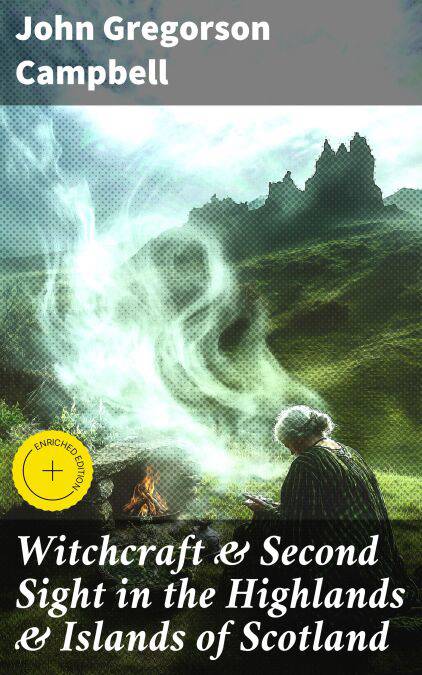
Witchcraft & Second Sight in the Highlands & Islands of Scotland E-BOOK
Tales and Traditions Collected Entirely from Oral Sources
John Gregorson Campbell
E-book | Engels
€ 1,99
+ 1 punten
Omschrijving
In "Witchcraft & Second Sight in the Highlands & Islands of Scotland," John Gregorson Campbell meticulously examines the complex interplay between superstition, folklore, and local culture that characterizes the Scottish Highlands and Islands. Written in the late 19th century, Campbell employs a narrative style that blends rigorous ethnographic research with vivid storytelling, making the text accessible and engaging. His detailed accounts of witch trials, folk beliefs, and accounts of clairvoyance draw upon interviews and observations, reflecting both a respect for the oral traditions of the region and a scholarly commitment to documenting a rapidly changing cultural landscape. John Gregorson Campbell, a Scottish folklorist and minister, was deeply intertwined with the local communities he studied, which profoundly influenced his work. His experiences as a participant observer provided him with first-hand insights into the beliefs and practices that permeated everyday life in the Highlands. The tensions between modernity and traditional beliefs unfolded around him, prompting Campbell to preserve these fading narratives as a means of safeguarding cultural heritage for future generations. Recommended for enthusiasts of folklore, anthropology, and Scottish history, Campbell'Äôs work offers a compelling glimpse into a world where magic and reality coalesce. This book is not only an academic resource but also a captivating exploration for anyone interested in understanding the rich tapestry of Highland culture and its enduring legacies.
Specificaties
Betrokkenen
- Auteur(s):
- Uitgeverij:
Inhoud
- Aantal bladzijden:
- 300
- Taal:
- Engels
Eigenschappen
- Productcode (EAN):
- 4057664633132
- Verschijningsdatum:
- 21/11/2019
- Uitvoering:
- E-book
- Beveiligd met:
- Digital watermarking
- Formaat:
- ePub


Alleen bij Standaard Boekhandel
+ 1 punten op je klantenkaart van Standaard Boekhandel

Beoordelingen
We publiceren alleen reviews die voldoen aan de voorwaarden voor reviews. Bekijk onze voorwaarden voor reviews.