


- Afhalen na 1 uur in een winkel met voorraad
- Gratis thuislevering in België vanaf € 30
- Ruim aanbod met 7 miljoen producten
- Afhalen na 1 uur in een winkel met voorraad
- Gratis thuislevering in België vanaf € 30
- Ruim aanbod met 7 miljoen producten





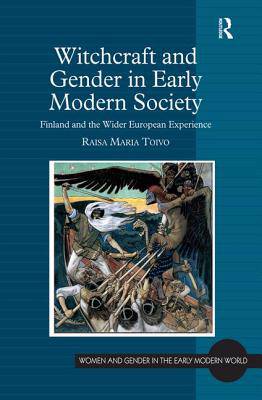
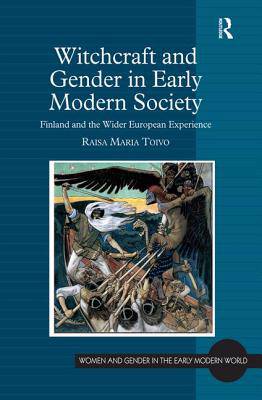
Witchcraft and Gender in Early Modern Society
Finland and the Wider European Experience
Raisa Maria Toivo
€ 343,45
+ 686 punten
Omschrijving
With a sharp eye for detail, Raisa Maria Toivo explores the gender implications of the complex system of household management and public representation in which seventeenth-century Finnish women and men negotiated their positions. From specific case studies of Finnish peasant women, Toivo broadens her narrative to include historiographical discussion on the history of witchcraft, on women's and gender history and on early modern social history, shedding new light on each theme.
Specificaties
Betrokkenen
- Auteur(s):
- Uitgeverij:
Inhoud
- Aantal bladzijden:
- 242
- Taal:
- Engels
- Reeks:
Eigenschappen
- Productcode (EAN):
- 9780754664543
- Verschijningsdatum:
- 19/08/2008
- Uitvoering:
- Hardcover
- Formaat:
- Genaaid
- Afmetingen:
- 156 mm x 234 mm
- Gewicht:
- 517 g


Alleen bij Standaard Boekhandel
+ 686 punten op je klantenkaart van Standaard Boekhandel
Cadeau

AANGERADEN


Beoordelingen
We publiceren alleen reviews die voldoen aan de voorwaarden voor reviews. Bekijk onze voorwaarden voor reviews.