


- Afhalen na 1 uur in een winkel met voorraad
- Gratis thuislevering in België vanaf € 30
- Ruim aanbod met 7 miljoen producten
- Afhalen na 1 uur in een winkel met voorraad
- Gratis thuislevering in België vanaf € 30
- Ruim aanbod met 7 miljoen producten





€ 52,45
+ 104 punten
Omschrijving
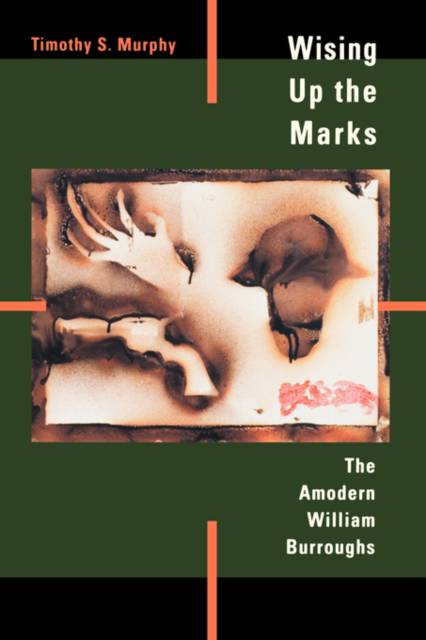
William S. Burroughs is one of the twentieth century's most visible, controversial, and baffling literary figures. In the first comprehensive study of the writer, Timothy S. Murphy places Burroughs in the company of the most significant intellectual minds of our time. In doing so, he gives us an immensely readable and convincing account of a man whose achievements continue to have a major influence on American art and culture. Murphy draws on the work of such philosophers as Gilles Deleuze, Félix Guattari, Theodor Adorno, and Jean-Paul Sartre, and also investigates the historical contexts from which Burroughs's writings arose.
From the paranoid isolationism of the Cold War through the countercultural activism of the sixties to the resurgence of corporate and state control in the eighties, Burroughs's novels, films, and music hold a mirror to the American psyche. Murphy coins the term "amodernism" as a way to describe Burroughs's contested relationship to the canon while acknowledging the writer's explicit desire for a destruction of such systems of classification. Despite the popular mythology that surrounds Burroughs, his work has been largely excluded from the academy of American letters. Finally here is a book that presents a solid portrait of a major artistic innovator, a writer who combines aesthetics and politics and who can perform as anthropologist, social goad, or media icon, all with consummate skill.
From the paranoid isolationism of the Cold War through the countercultural activism of the sixties to the resurgence of corporate and state control in the eighties, Burroughs's novels, films, and music hold a mirror to the American psyche. Murphy coins the term "amodernism" as a way to describe Burroughs's contested relationship to the canon while acknowledging the writer's explicit desire for a destruction of such systems of classification. Despite the popular mythology that surrounds Burroughs, his work has been largely excluded from the academy of American letters. Finally here is a book that presents a solid portrait of a major artistic innovator, a writer who combines aesthetics and politics and who can perform as anthropologist, social goad, or media icon, all with consummate skill.
Specificaties
Betrokkenen
- Auteur(s):
- Uitgeverij:
Inhoud
- Aantal bladzijden:
- 256
- Taal:
- Engels
Eigenschappen
- Productcode (EAN):
- 9780520209510
- Verschijningsdatum:
- 5/01/1998
- Uitvoering:
- Paperback
- Formaat:
- Trade paperback (VS)
- Afmetingen:
- 152 mm x 229 mm
- Gewicht:
- 458 g



Alleen bij Standaard Boekhandel
+ 104 punten op je klantenkaart van Standaard Boekhandel
Cadeau

AANGERADEN


Beoordelingen
We publiceren alleen reviews die voldoen aan de voorwaarden voor reviews. Bekijk onze voorwaarden voor reviews.