


- Afhalen na 1 uur in een winkel met voorraad
- Gratis thuislevering in België vanaf € 30
- Ruim aanbod met 7 miljoen producten
- Afhalen na 1 uur in een winkel met voorraad
- Gratis thuislevering in België vanaf € 30
- Ruim aanbod met 7 miljoen producten





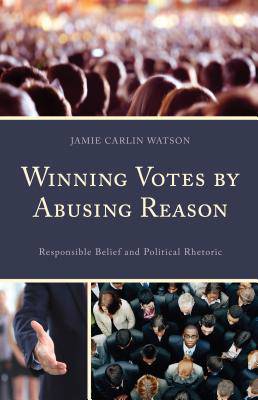
Winning Votes by Abusing Reason
Responsible Belief and Political Rhetoric
Jamie Carlin Watson
Hardcover | Engels
€ 220,45
+ 440 punten
Eenvoudig bestellen
Veilig betalen


Gratis thuislevering vanaf € 30 (via bpost)
Gratis levering in je Standaard Boekhandel
Omschrijving
Over the past few decades, psychologists have discovered that human reasoning is defective in surprising ways. We are beset by numerous biases and heuristics, which lead us to reason poorly about things that matter to us. And while there are illuminating evolutionary explanations for how these biases and heuristics may have benefited our species in its phylogeny, psychologists are unanimous that these cognitive dispositions largely corrupt rather than aid our belief-forming practices. In Winning Votes by Abusing Reason: Political Rhetoric and Responsible Belief, Jamie Watson argues that political rhetoric, rather than helping us overcome these defects, exacerbates them. And standard attempts to address this problem, such as deliberative democracy and paternalism, tend to either exclude citizens from important decisions or give them the illusion of reasoning well, perpetuating poor and irresponsible political beliefs. This book concludes that, rather than attempt more political solutions, the most promising approach to forming and preserving responsible political beliefs is to adopt individual principles of epistemic caution. The author brings together insights from political philosophy, social epistemology, behavioral psychology, and agnotology to suggest how we might protect our belief-forming behavior from the corrosive effects of political rhetoric. Recommended for scholars of philosophy, rhetoric, political science, and communications.
Specificaties
Betrokkenen
- Auteur(s):
- Uitgeverij:
Inhoud
- Aantal bladzijden:
- 272
- Taal:
- Engels
Eigenschappen
- Productcode (EAN):
- 9781498516426
- Verschijningsdatum:
- 14/12/2016
- Uitvoering:
- Hardcover
- Formaat:
- Genaaid
- Afmetingen:
- 157 mm x 231 mm
- Gewicht:
- 589 g


Alleen bij Standaard Boekhandel
+ 440 punten op je klantenkaart van Standaard Boekhandel
CADEAU

AANGERADEN


Beoordelingen
We publiceren alleen reviews die voldoen aan de voorwaarden voor reviews. Bekijk onze voorwaarden voor reviews.