


- Afhalen na 1 uur in een winkel met voorraad
- Gratis thuislevering in België vanaf € 30
- Ruim aanbod met 7 miljoen producten
- Afhalen na 1 uur in een winkel met voorraad
- Gratis thuislevering in België vanaf € 30
- Ruim aanbod met 7 miljoen producten





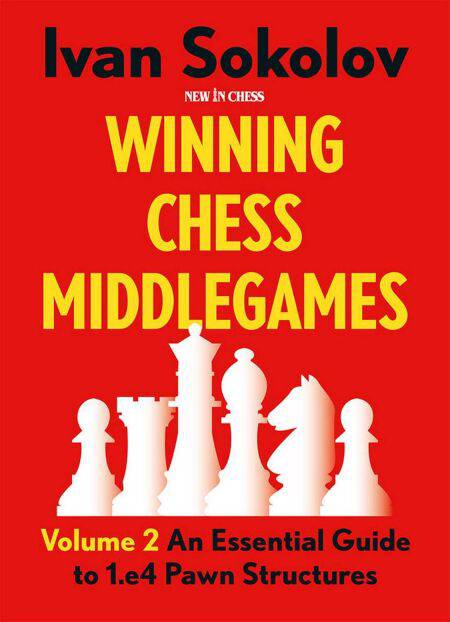
Winning Chess Middlegames E-BOOK
An Essential Guide to 1.e4 Pawn Structures
Ivan Sokolov
E-book | Engels
€ 23,48
+ 23 punten
Uitvoering
Omschrijving
Have you ever wondered why it takes grandmasters just seconds to see what's happening in a chess position? It's all about pawn structures, as Ivan Sokolov explained in his groundbreaking book Winning Chess Middlegames.
In his 2010 bestseller, Grandmaster Sokolov focused on structures arising from 1.d4 openings; in this new companion guide, 1.e4 players get their turn. This new volume covers a dozen topical structures including various pawn formations in the flexible Ruy Lopez, Italian and Petroff openings. But also Black's doubled f-pawn in the Rauzer Sicilian, the notorious Maroczy Bind, the mysterious Hedgehog, the versatile Sveshnikov and the paradoxical French Winawer. Deeply analysed top-level games illustrate the motifs in all these structures.
Club players who study Winning Chess Middlegames 1.e4 or 1.d4 will:
significantly improve their middlegame skills
develop an accurate sense of which positions suit their style
gain new strategic and practical knowledge of openings
Ivan Sokolov's analysis is profound but accessible, and he doesn't take anything for granted. As reviewer Sean Marsh wrote of the first volume: "The lucid and informative explanations convey a large amount of genuine Grandmasterly wisdom. This is easily one of the best middlegame books of recent times."
In his 2010 bestseller, Grandmaster Sokolov focused on structures arising from 1.d4 openings; in this new companion guide, 1.e4 players get their turn. This new volume covers a dozen topical structures including various pawn formations in the flexible Ruy Lopez, Italian and Petroff openings. But also Black's doubled f-pawn in the Rauzer Sicilian, the notorious Maroczy Bind, the mysterious Hedgehog, the versatile Sveshnikov and the paradoxical French Winawer. Deeply analysed top-level games illustrate the motifs in all these structures.
Club players who study Winning Chess Middlegames 1.e4 or 1.d4 will:
significantly improve their middlegame skills
develop an accurate sense of which positions suit their style
gain new strategic and practical knowledge of openings
Ivan Sokolov's analysis is profound but accessible, and he doesn't take anything for granted. As reviewer Sean Marsh wrote of the first volume: "The lucid and informative explanations convey a large amount of genuine Grandmasterly wisdom. This is easily one of the best middlegame books of recent times."
Specificaties
Betrokkenen
- Auteur(s):
- Uitgeverij:
Inhoud
- Aantal bladzijden:
- 304
- Taal:
- Engels
Eigenschappen
- Productcode (EAN):
- 9789083382739
- Verschijningsdatum:
- 29/01/2024
- Uitvoering:
- E-book
- Beveiligd met:
- Adobe DRM
- Formaat:
- ePub


Alleen bij Standaard Boekhandel
+ 23 punten op je klantenkaart van Standaard Boekhandel
Cadeau

AANGERADEN


Beoordelingen
We publiceren alleen reviews die voldoen aan de voorwaarden voor reviews. Bekijk onze voorwaarden voor reviews.