


- Afhalen na 1 uur in een winkel met voorraad
- Gratis thuislevering in België vanaf € 30
- Ruim aanbod met 7 miljoen producten
- Afhalen na 1 uur in een winkel met voorraad
- Gratis thuislevering in België vanaf € 30
- Ruim aanbod met 7 miljoen producten





€ 40,45
+ 80 punten
Omschrijving
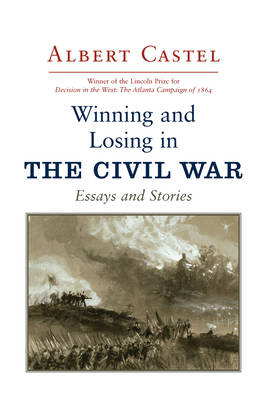
Winning and Losing in the Civil War collects fifteen of the most influential short writings by accomplished Civil War historian Albert Castel, each presented with his trademark wit, style, and analytical precision. The author expounds on some of the most provocative, arresting issues surrounding the war, including the dispute over inevitability of Northern victory and the question of Lee's greatness on and off the battlefield. Castel contemplates presidents and mules, generals and guerrillas, lovers and haters, facts and opinions, actualities and probabilities. In addition, he uses the volume as a forum for reflecting on his role as historian, identifying the primary problem facing present-day practitioners of Civil War historiography, and illumining what remains to be accomplished in this heavily tilled but ever-popular field of scholarly inquiry.
Specificaties
Betrokkenen
- Auteur(s):
- Uitgeverij:
Inhoud
- Aantal bladzijden:
- 204
- Taal:
- Engels
Eigenschappen
- Productcode (EAN):
- 9781570039171
- Verschijningsdatum:
- 1/05/2011
- Uitvoering:
- Paperback
- Formaat:
- Trade paperback (VS)
- Afmetingen:
- 152 mm x 229 mm
- Gewicht:
- 326 g


Alleen bij Standaard Boekhandel
+ 80 punten op je klantenkaart van Standaard Boekhandel
Cadeau

AANGERADEN


Beoordelingen
We publiceren alleen reviews die voldoen aan de voorwaarden voor reviews. Bekijk onze voorwaarden voor reviews.