


- Afhalen na 1 uur in een winkel met voorraad
- Gratis thuislevering in België vanaf € 30
- Ruim aanbod met 7 miljoen producten
- Afhalen na 1 uur in een winkel met voorraad
- Gratis thuislevering in België vanaf € 30
- Ruim aanbod met 7 miljoen producten





€ 111,30
+ 222 punten
Omschrijving
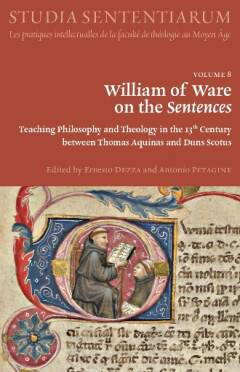
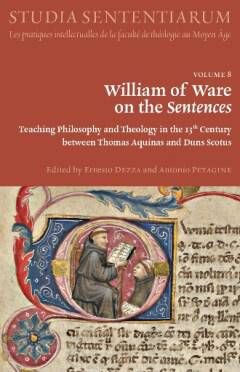
The Franciscan William of Ware - the Magister Scoti - flourished as a theologian at the end of the thirteenth century. Although he wielded significant influence on fourteenth-century theological and philosophical debates, his thought remains little known and even less studied than it deserves. A major cause for this situation lies in the difficulty of accessing the text of his Questions on the Four Books of the Sentences, which is largely unedited? This volume is the first entirely devoted to William of Ware. It aims to promote a renewed knowledge of his texts and doctrines. The book includes updated information on studies and editions of Ware's texts, and specific studies on crucial aspects of his doctrines, such as theology, metaphysics, physics, epistemology, Christology, and anthropology. Additionally, the volume presents previously unpublished questions from his Commentary on the Sentences. Overall, the volume serves as an essential reference for the thought and texts of William of Ware and provides a new and illuminating perspective on scholastic culture during the turn from the thirteenth to the fourteenth century.
Specificaties
Betrokkenen
- Auteur(s):
- Uitgeverij:
Inhoud
- Aantal bladzijden:
- 644
- Taal:
- Frans
- Reeks:
- Reeksnummer:
- nr. 8
Eigenschappen
- Productcode (EAN):
- 9782503617473
- Verschijningsdatum:
- 20/06/2025
- Uitvoering:
- Hardcover
- Formaat:
- Genaaid
- Gewicht:
- 1242 g


Alleen bij Standaard Boekhandel
+ 222 punten op je klantenkaart van Standaard Boekhandel
Cadeau

AANGERADEN


Beoordelingen
We publiceren alleen reviews die voldoen aan de voorwaarden voor reviews. Bekijk onze voorwaarden voor reviews.