


- Afhalen na 1 uur in een winkel met voorraad
- Gratis thuislevering in België vanaf € 30
- Ruim aanbod met 7 miljoen producten
- Afhalen na 1 uur in een winkel met voorraad
- Gratis thuislevering in België vanaf € 30
- Ruim aanbod met 7 miljoen producten




€ 27,95
+ 55 punten
Omschrijving
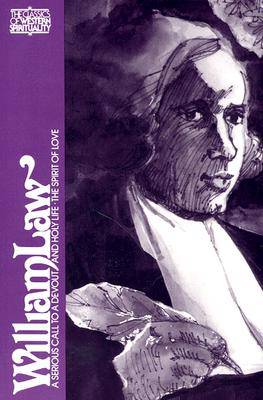
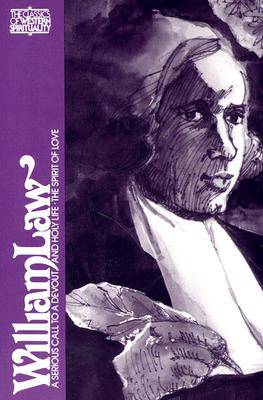
"Few things are more needed for the spiritual definition of this age than a recovery of our mystical patrimony. The Classics of Western Spirituality(TM) happily and competently provides for this need." Louis Dupre T.L. Riggs Professor in Philosophy of Religion, Yale University William Law: A Serious Call to a Devout and Holy Life, The Spirit of Love edited by Paul G. Stanwood, introduction by Austin Warren and Paul G. Stanwood, preface by John Booty "In Eternal Nature, or the Kingdom of Heaven, materiality stands in life and light: it is the light's glorious Body, or that garment wherewith light is clothed, and therefore has all the properties of light in it, and only differs from light as it is its brightness and beauty, as the holder and displayer of all its colors, powers, and virtues." William Law, 1686-1761 Often called the greatest of the post-Reformation English mystics, William Law was born in King's Cliffe, England, became a Fellow of Emmanuel College, Cambridge and was ordained a priest in the Anglican Church. After losing his position at Cambridge for refusing to take the Oath of Allegiance to George I, he became the center of a small spiritual community. He was a religious guide to the Gibbon family and included among his disciples John and Charles Wesley. His practical work as a spiritual director-as expressed in this, his best-known piece, A Serious Call to a Devout and Holy Life-deeply influenced the English Evangelical Revival. The Oxford Dictionary of the Christian Church says this of the book: "The simplicity of its teaching and its vigorous style soon established the work as a classic, which has probably had more influence than any other post-Reformation spiritual book except the Pilgrim's Progress." In his later years Law became an intense admirer of the teaching of Jacob Boehme on the coincidence of opposites. He gave this doctrine an original turn in his little-known but exquisite mystical treatises-the most important being The Spirit of Love. This double selection, edited from first texts instead of reprints, demonstrates the range of Law's thought and his development as a genius of style and devotion. +
Specificaties
Betrokkenen
- Auteur(s):
- Uitgeverij:
Inhoud
- Aantal bladzijden:
- 544
- Taal:
- Engels
- Reeks:
Eigenschappen
- Productcode (EAN):
- 9780809121441
- Verschijningsdatum:
- 1/01/1978
- Uitvoering:
- Paperback
- Formaat:
- Trade paperback (VS)
- Afmetingen:
- 152 mm x 229 mm
- Gewicht:
- 725 g


Alleen bij Standaard Boekhandel
+ 55 punten op je klantenkaart van Standaard Boekhandel
Wedstrijd


Beoordelingen
We publiceren alleen reviews die voldoen aan de voorwaarden voor reviews. Bekijk onze voorwaarden voor reviews.