


- Afhalen na 1 uur in een winkel met voorraad
- Gratis thuislevering in België vanaf € 30
- Ruim aanbod met 7 miljoen producten
- Afhalen na 1 uur in een winkel met voorraad
- Gratis thuislevering in België vanaf € 30
- Ruim aanbod met 7 miljoen producten





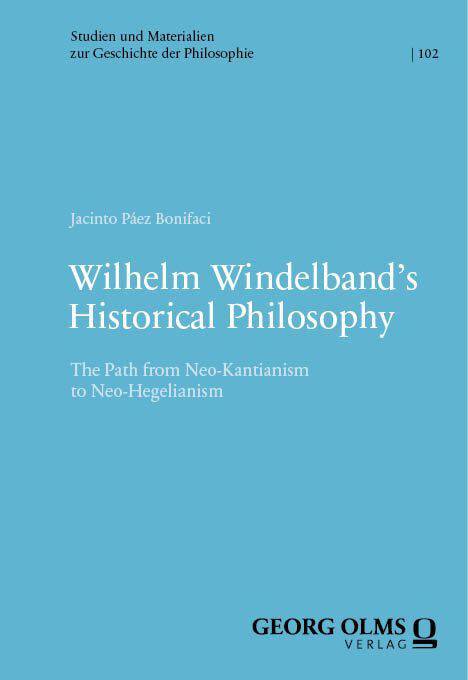
Wilhelm Windelband's Historical Philosophy
The Path from Neo-Kantianism to Neo-Hegelianism
Jacinto Páez Bonifaci
€ 59,95
+ 119 punten
Omschrijving
Within the broader reevaluation of the Neo-Kantian movement, this book undertakes the task of reconstructing Wilhelm Windelband's philosophical endeavor. Windelband's philosophical program was centered on the synthesis of two seemingly antithetical forces: transcendental philosophy and historical consciousness. He possessed a keen awareness of the intricacies inherent to historical thought and the compelling necessity to reformulate transcendental philosophy in terms of a true historical philosophy. This conceptual evolution ultimately steers his philosophical program away from its initial Neo-Kantian roots, giving rise to a novel strain of Neo-Hegelianism.
Specificaties
Betrokkenen
- Auteur(s):
- Uitgeverij:
Inhoud
- Taal:
- Engels
- Reeks:
- Reeksnummer:
- nr. 102
Eigenschappen
- Productcode (EAN):
- 9783487166544
- Verschijningsdatum:
- 28/12/2023
- Uitvoering:
- Paperback
- Afmetingen:
- 172 mm x 16 mm
- Gewicht:
- 480 g


Alleen bij Standaard Boekhandel
+ 119 punten op je klantenkaart van Standaard Boekhandel
Cadeau

AANGERADEN


Beoordelingen
We publiceren alleen reviews die voldoen aan de voorwaarden voor reviews. Bekijk onze voorwaarden voor reviews.