


- Afhalen na 1 uur in een winkel met voorraad
- Gratis thuislevering in België vanaf € 30
- Ruim aanbod met 7 miljoen producten
- Afhalen na 1 uur in een winkel met voorraad
- Gratis thuislevering in België vanaf € 30
- Ruim aanbod met 7 miljoen producten





€ 29,95
+ 59 punten
Omschrijving
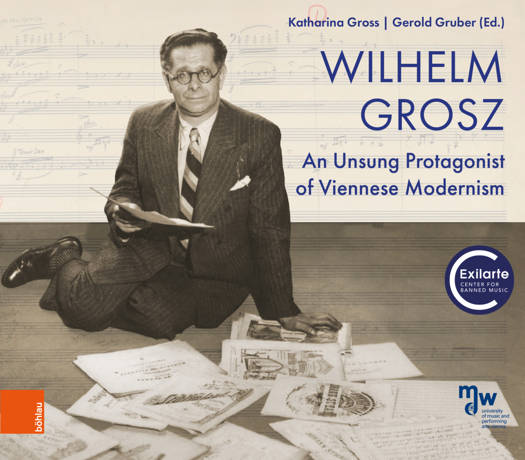
Wilhelm Grosz (1894-1939), whose estate has been housed at the Exile Art Center of the mdw - University of Music and Performing Arts Vienna since 2018, performed in the grand concert halls of Vienna, the vibrant Berlin of the 1920s, and later in exile in London and New York. Over the course of his career, Grosz moved between the modernist aesthetics of Neue Sachlichkeit, early jazz influences in art music, and popular music. Political upheavals forced him into exile in 1933, where he continued his career in popular music, composing hits such as Isle of Capri. Drawing on his correspondence with his long-standing publisher, the Wiener Universal Edition, and entries from Arthur Schnitzler's diary, this publication provides a vivid account of Grosz's artistic networks, the debates of his time, and the multifaceted scope of his oeuvre-from his 'serious' music to international popular successes in exile.
Specificaties
Betrokkenen
- Auteur(s):
- Uitgeverij:
Inhoud
- Aantal bladzijden:
- 128
- Taal:
- Engels
Eigenschappen
- Productcode (EAN):
- 9783205223993
- Verschijningsdatum:
- 16/03/2026
- Uitvoering:
- Paperback
- Formaat:
- Trade paperback (VS)
- Afmetingen:
- 239 mm x 198 mm


Alleen bij Standaard Boekhandel
+ 59 punten op je klantenkaart van Standaard Boekhandel
Wedstrijd


Beoordelingen
We publiceren alleen reviews die voldoen aan de voorwaarden voor reviews. Bekijk onze voorwaarden voor reviews.