


- Afhalen na 1 uur in een winkel met voorraad
- Gratis thuislevering in België vanaf € 30
- Ruim aanbod met 7 miljoen producten
- Afhalen na 1 uur in een winkel met voorraad
- Gratis thuislevering in België vanaf € 30
- Ruim aanbod met 7 miljoen producten





€ 8,74
+ 8 punten
Uitvoering
Omschrijving
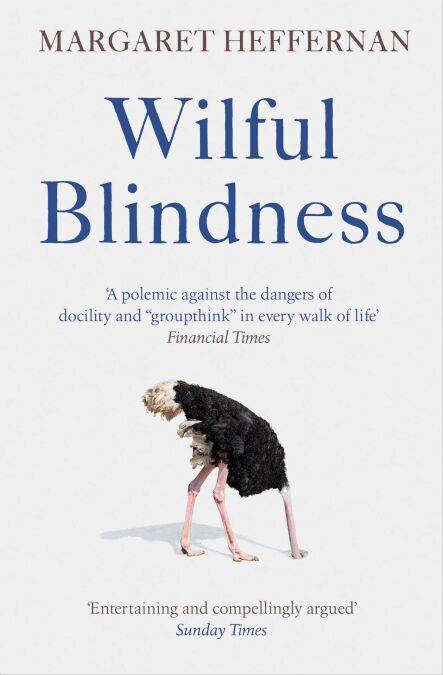
Fully revised and updated since its first publication in 2011 to encompass further appalling instances of wilful blindness: Grenfell Tower, Carillion, Harvey Weinstein, Windrush and many more.
Why, after every major accident and blunder, do we look back and ask, how could we have been so blind? Why do some people see what others don't? And how can we change? Drawing on studies by psychologists and neuroscientists, and from interviews with business leaders, whistle blowers and white collar criminals, distinguished businesswoman and writer Margaret Heffernan examines the phenomenon of wilful blindness, exploring the reasons that individuals and groups are blind to impending personal tragedies, corporate collapses, engineering failures – even crimes against humanity.
We turn a blind eye in order to feel safe, to avoid conflict, to reduce anxiety and to protect prestige. It makes us feel good at first, with consequences we don’t see. But greater understanding leads to solutions, and Heffernan shows how – by challenging our biases, encouraging debate, discouraging conformity, and not backing away from difficult or complicated problems – we can be more mindful of what's going on around us and be proactive instead of reactive.
Why, after every major accident and blunder, do we look back and ask, how could we have been so blind? Why do some people see what others don't? And how can we change? Drawing on studies by psychologists and neuroscientists, and from interviews with business leaders, whistle blowers and white collar criminals, distinguished businesswoman and writer Margaret Heffernan examines the phenomenon of wilful blindness, exploring the reasons that individuals and groups are blind to impending personal tragedies, corporate collapses, engineering failures – even crimes against humanity.
We turn a blind eye in order to feel safe, to avoid conflict, to reduce anxiety and to protect prestige. It makes us feel good at first, with consequences we don’t see. But greater understanding leads to solutions, and Heffernan shows how – by challenging our biases, encouraging debate, discouraging conformity, and not backing away from difficult or complicated problems – we can be more mindful of what's going on around us and be proactive instead of reactive.
Specificaties
Betrokkenen
- Auteur(s):
- Uitgeverij:
Inhoud
- Aantal bladzijden:
- 400
- Taal:
- Engels
Eigenschappen
- Productcode (EAN):
- 9781847377715
- Verschijningsdatum:
- 2/02/2011
- Uitvoering:
- E-book
- Beveiligd met:
- Adobe DRM
- Formaat:
- ePub



Alleen bij Standaard Boekhandel
+ 8 punten op je klantenkaart van Standaard Boekhandel
Cadeau

AANGERADEN


Beoordelingen
We publiceren alleen reviews die voldoen aan de voorwaarden voor reviews. Bekijk onze voorwaarden voor reviews.