


- Afhalen na 1 uur in een winkel met voorraad
- Gratis thuislevering in België vanaf € 30
- Ruim aanbod met 7 miljoen producten
- Afhalen na 1 uur in een winkel met voorraad
- Gratis thuislevering in België vanaf € 30
- Ruim aanbod met 7 miljoen producten





€ 40,95
+ 81 punten
Uitvoering
Omschrijving
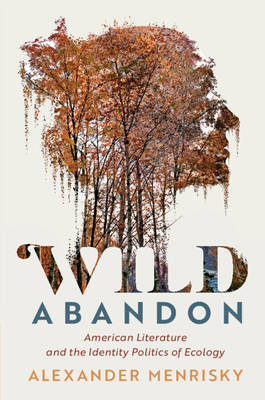
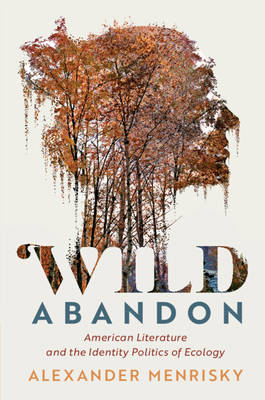
The American wilderness narrative, which divides nature from culture, has remained remarkably persistent despite the rise of ecological science, which emphasizes interconnection between these spheres. Wild Abandon considers how ecology's interaction with radical politics of authenticity in the twentieth century has kept that narrative alive in altered form. As ecology gained political momentum in the 1960s and 1970s, many environmentalists combined it with ideas borrowed from psychoanalysis and a variety of identity-based social movements. The result was an identity politics of ecology that framed ecology itself as an authentic identity position repressed by cultural forms, including social differences and even selfhood. Through readings of texts by Edward Abbey, Simon Ortiz, Toni Morrison, Margaret Atwood, and Jon Krakauer, among others, Alexander Menrisky argues that writers have both dramatized and critiqued this tendency, in the process undermining the concept of authenticity altogether and granting insight into alternative histories of identity and environment.
Specificaties
Betrokkenen
- Auteur(s):
- Uitgeverij:
Inhoud
- Aantal bladzijden:
- 266
- Taal:
- Engels
- Reeks:
- Reeksnummer:
- nr. 185
Eigenschappen
- Productcode (EAN):
- 9781108829458
- Verschijningsdatum:
- 23/10/2025
- Uitvoering:
- Paperback
- Formaat:
- Trade paperback (VS)
- Afmetingen:
- 152 mm x 229 mm
- Gewicht:
- 358 g


Alleen bij Standaard Boekhandel
+ 81 punten op je klantenkaart van Standaard Boekhandel
Cadeau

AANGERADEN


Beoordelingen
We publiceren alleen reviews die voldoen aan de voorwaarden voor reviews. Bekijk onze voorwaarden voor reviews.