


- Afhalen na 1 uur in een winkel met voorraad
- Gratis thuislevering in België vanaf € 30
- Ruim aanbod met 7 miljoen producten
- Afhalen na 1 uur in een winkel met voorraad
- Gratis thuislevering in België vanaf € 30
- Ruim aanbod met 7 miljoen producten





€ 59,45
+ 118 punten
Omschrijving
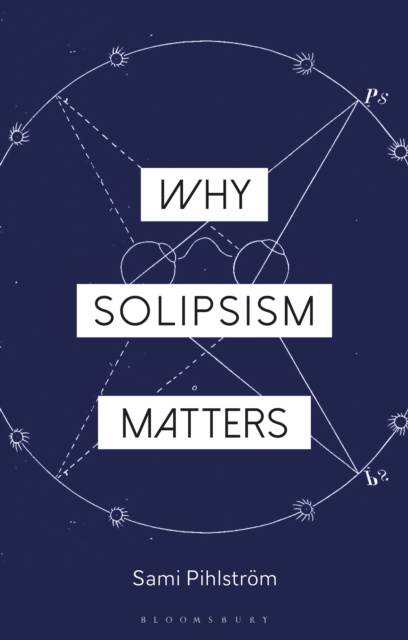
Solipsism is one of the philosophical thesis or ideas that has generally been regarded as highly implausible, or even crazy. The view that the world is "my world" in the sense that nothing exists independently of my mind, thought, and/or experience is, understandably, frowned up as a genuine philosophical position. For this reason, solipsism might be regarded as an example of a philosophical position that does not "matter" at all. It does not seem to play any role in our serious attempts to understand the world and ourselves. However, by arguing that solipsism does matter, after all, Why Solipsism Matters more generally demonstrates that philosophy, even when dealing with highly counterintuitive and "crazy" ideas, may matter in surprising, unexpected ways. It will be shown that the challenge of solipsism should make us rethink fundamental assumptions concerning subjectivity, objectivity, realism vs. idealism, relativism, as well as key topics such as ethical responsibility - that is, our ethical relations to other human beings - and death and mortality.
Why Solipsism Matters is not only an historical review of the origins and development of the concept of solipsism and a exploration of some of its key philosophers (Kant and Wittgenstein to name but a few) but it develops an entirely new account of the idea. One which takes seriously the global, socially networked world in which we live in which the very real ramifications of solipsism - including narcissism - can be felt.Specificaties
Betrokkenen
- Auteur(s):
- Uitgeverij:
Inhoud
- Aantal bladzijden:
- 240
- Taal:
- Engels
- Reeks:
Eigenschappen
- Productcode (EAN):
- 9781350126398
- Verschijningsdatum:
- 28/05/2020
- Uitvoering:
- Paperback
- Formaat:
- Trade paperback (VS)
- Afmetingen:
- 140 mm x 216 mm
- Gewicht:
- 317 g


Alleen bij Standaard Boekhandel
+ 118 punten op je klantenkaart van Standaard Boekhandel
Cadeau

AANGERADEN


Beoordelingen
We publiceren alleen reviews die voldoen aan de voorwaarden voor reviews. Bekijk onze voorwaarden voor reviews.