



Bedankt voor het vertrouwen het afgelopen jaar! Om jou te bedanken bieden we GRATIS verzending (in België) aan op alles gedurende de hele maand januari.
- Afhalen na 1 uur in een winkel met voorraad
- In januari gratis thuislevering in België
- Ruim aanbod met 7 miljoen producten
Bedankt voor het vertrouwen het afgelopen jaar! Om jou te bedanken bieden we GRATIS verzending (in België) aan op alles gedurende de hele maand januari.
- Afhalen na 1 uur in een winkel met voorraad
- In januari gratis thuislevering in België
- Ruim aanbod met 7 miljoen producten





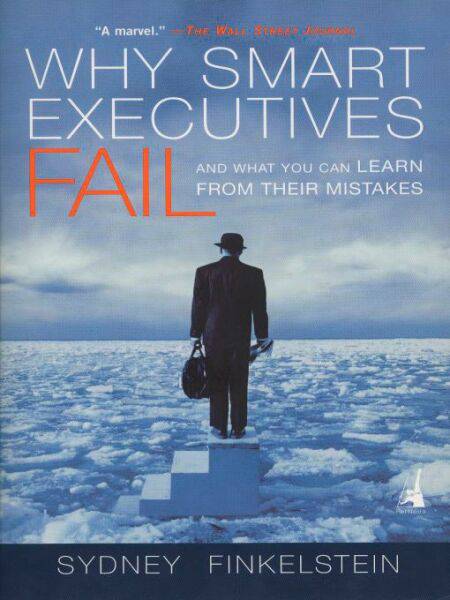
Why Smart Executives Fail E-BOOK
And What You Can Learn from Their Mistakes
Sydney Finkelstein
E-book | Engels
€ 9,23
+ 9 punten
Omschrijving
Bob Pittman and AOL Time Warner. Jean Marie Messier and Vivendi. Jill Barad and Mattel. Dennis Kozlowski and Tyco. It's an all too common scenario. A great company breaks from the pack; the analysts are in love; the smiling CEO appears on the cover of Fortune.
Two years later, the company is in flames, the pension plan is bleeding, the stock is worthless. What goes wrong in these cases? Usually it seems that top management made some incredibly stupid mistakes. But the people responsible are almost always remarkably intelligent and usually have terrific track records. Just as puzzling as the fact that brilliant managers can make bad mistakes is the way they so often magnify the damage. Once a company has made a serious mis-step, it often seems as though it can't do anything right. How does this happen? Instead of rectifying their mistakes, why do business leaders regularly make them worse?
To answer these questions, Sydney Finkelstein has carried out the largest research project ever devoted to corporate mistakes and failures. In WHY SMART EXECUTIVES FAIL, he and his research team uncover-with startling clarity and unassailable documentation-the causes regularly responsible for major business breakdowns. He relates the stories of great business disasters and demonstrates that there are specific, identifiable ways in which many businesses regularly make themselves vulnerable to failure. The result is a truly indispensable, practical, must-read book that explains the mechanics of business failure, how to avoid them, and what to do if they happen.
Two years later, the company is in flames, the pension plan is bleeding, the stock is worthless. What goes wrong in these cases? Usually it seems that top management made some incredibly stupid mistakes. But the people responsible are almost always remarkably intelligent and usually have terrific track records. Just as puzzling as the fact that brilliant managers can make bad mistakes is the way they so often magnify the damage. Once a company has made a serious mis-step, it often seems as though it can't do anything right. How does this happen? Instead of rectifying their mistakes, why do business leaders regularly make them worse?
To answer these questions, Sydney Finkelstein has carried out the largest research project ever devoted to corporate mistakes and failures. In WHY SMART EXECUTIVES FAIL, he and his research team uncover-with startling clarity and unassailable documentation-the causes regularly responsible for major business breakdowns. He relates the stories of great business disasters and demonstrates that there are specific, identifiable ways in which many businesses regularly make themselves vulnerable to failure. The result is a truly indispensable, practical, must-read book that explains the mechanics of business failure, how to avoid them, and what to do if they happen.
Specificaties
Betrokkenen
- Auteur(s):
- Uitgeverij:
Inhoud
- Aantal bladzijden:
- 336
- Taal:
- Engels
Eigenschappen
- Productcode (EAN):
- 9781101118238
- Verschijningsdatum:
- 24/05/2004
- Uitvoering:
- E-book
- Beveiligd met:
- Adobe DRM
- Formaat:
- ePub


Alleen bij Standaard Boekhandel
+ 9 punten op je klantenkaart van Standaard Boekhandel
SOLDEN


Beoordelingen
We publiceren alleen reviews die voldoen aan de voorwaarden voor reviews. Bekijk onze voorwaarden voor reviews.