


- Afhalen na 1 uur in een winkel met voorraad
- Gratis thuislevering in België vanaf € 30
- Ruim aanbod met 7 miljoen producten
- Afhalen na 1 uur in een winkel met voorraad
- Gratis thuislevering in België vanaf € 30
- Ruim aanbod met 7 miljoen producten





€ 207,95
+ 415 punten
Uitvoering
Omschrijving
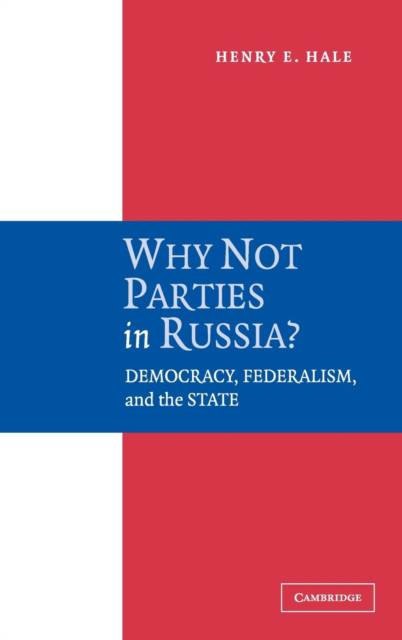
Russia poses a major puzzle for theorists of party development. Virtually every classic work takes parties to be inevitable and essential to electoral competition, but Russia remains highly nonpartisan more than fifteen years after Gorbachev first launched his democratizing reforms. The problem is that theories of party development lack a "control case," almost always focusing on cases where parties have already developed and almost never examining countries where independent politicians are the norm. This book focuses on Russia as just such a control case. It mobilizes fresh public opinion surveys, interviews with leading Russian politicians, careful tracking of multiple campaigns, and analysis of national and regional voting patterns to show why Russia stands out. Russia's historically influenced combination of federalism and "superpresidentialism," coupled with a postcommunist redistribution of resources to regional political machines and "oligarchic" financial-industrial groups, produced and sustained powerful "party substitutes" that have largely squeezed Russia's real parties out of the "electoral market," damaging Russia's democratic development.
Specificaties
Betrokkenen
- Auteur(s):
- Uitgeverij:
Inhoud
- Aantal bladzijden:
- 288
- Taal:
- Engels
Eigenschappen
- Productcode (EAN):
- 9780521844093
- Verschijningsdatum:
- 05/12/2005
- Uitvoering:
- Hardcover
- Formaat:
- Genaaid
- Afmetingen:
- 152 mm x 231 mm
- Gewicht:
- 498 g



Alleen bij Standaard Boekhandel
+ 415 punten op je klantenkaart van Standaard Boekhandel
Cadeau

AANGERADEN


Beoordelingen
We publiceren alleen reviews die voldoen aan de voorwaarden voor reviews. Bekijk onze voorwaarden voor reviews.