


- Afhalen na 1 uur in een winkel met voorraad
- Gratis thuislevering in België vanaf € 30
- Ruim aanbod met 7 miljoen producten
- Afhalen na 1 uur in een winkel met voorraad
- Gratis thuislevering in België vanaf € 30
- Ruim aanbod met 7 miljoen producten





€ 22,45
+ 44 punten
Omschrijving
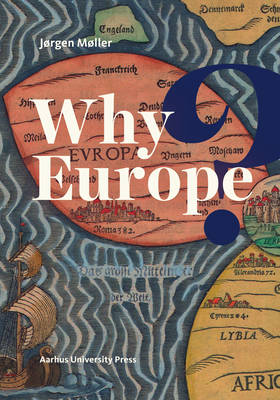
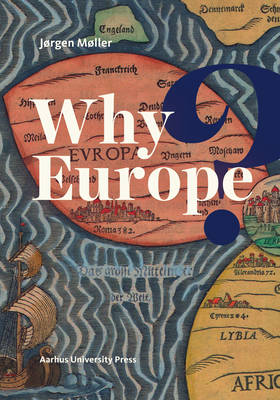
Why Europe? What made Western and Central Europe, long an economic and political backwater compared with the other agrarian civilisations of Eurasia, the cradle of modernity? This book argues that the crucial juncture occurred in backward medieval Europe. The key turning point came as a reform movement within the Catholic Church - spearheaded by Pope Gregory VII - challenged lay rulers' hold over bishop appointments. The eleventh-century rupture sundered religious and lay power, and it meant that European emperors, kings, and princes had to tread a fine line: caught between the opposition they encountered from strong social groups such as townsmen, nobles, and Catholic clergy and from other European rulers. This double balancing act has long been seen as a necessary condition for the modernisation process that in recent centuries has culminated in the modern state, the modern market economy, and modern democracy: the trinity that nineteenth- and early twentieth-century sociologists attempted to explain. What Karl Marx dismissively referred to as the "medieval rubbish" thus nurtured the seeds of modern Europe by creating power pluralism between and within political units.
Specificaties
Betrokkenen
- Auteur(s):
- Uitgeverij:
Inhoud
- Aantal bladzijden:
- 96
- Taal:
- Engels
Eigenschappen
- Productcode (EAN):
- 9788775970018
- Verschijningsdatum:
- 12/06/2026
- Uitvoering:
- Paperback
- Formaat:
- Trade paperback (VS)
- Afmetingen:
- 140 mm x 200 mm
- Gewicht:
- 154 g


Alleen bij Standaard Boekhandel
+ 44 punten op je klantenkaart van Standaard Boekhandel
Cadeau

AANGERADEN


Beoordelingen
We publiceren alleen reviews die voldoen aan de voorwaarden voor reviews. Bekijk onze voorwaarden voor reviews.