


- Afhalen na 1 uur in een winkel met voorraad
- Gratis thuislevering in België vanaf € 30
- Ruim aanbod met 7 miljoen producten
- Afhalen na 1 uur in een winkel met voorraad
- Gratis thuislevering in België vanaf € 30
- Ruim aanbod met 7 miljoen producten





Omschrijving
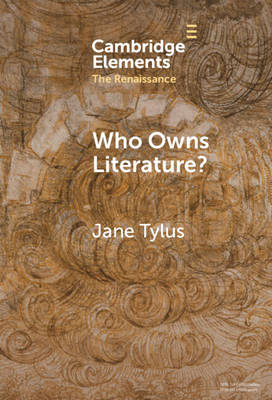
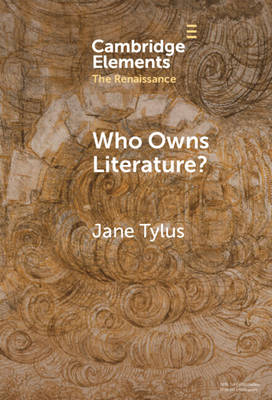
Interest in material culture has produced a rigorous body of scholarship that considers the dynamics of licensing, permissions, and patronage - an ongoing history of the estrangement of works from their authors. Additionally, translation studies is enabling new ways to think about the emergence of European vernaculars and the reappropriation of classical and early Christian texts. This Element emerges from these intersecting stories. How did early modern authors say goodbye to their works; how do translators and editors articulate their duty to the dead or those incapable of caring for their work; what happens once censorship is invoked in the name of other forms of protection? The notion of the work as orphan, sent out and unable to return to its author, will take us from Horace to Dante, Montaigne, Anne Bradstreet, and others as we reflect on the relevance of the vocabularies of loss, charity, and licence for literature.
Specificaties
Betrokkenen
- Auteur(s):
- Uitgeverij:
Inhoud
- Aantal bladzijden:
- 84
- Taal:
- Engels
- Reeks:
Eigenschappen
- Productcode (EAN):
- 9781009539197
- Verschijningsdatum:
- 30/01/2025
- Uitvoering:
- Hardcover
- Formaat:
- Genaaid
- Afmetingen:
- 152 mm x 229 mm
- Gewicht:
- 285 g


Alleen bij Standaard Boekhandel
+ 248 punten op je klantenkaart van Standaard Boekhandel
Cadeau

AANGERADEN


Beoordelingen
We publiceren alleen reviews die voldoen aan de voorwaarden voor reviews. Bekijk onze voorwaarden voor reviews.