


- Afhalen na 1 uur in een winkel met voorraad
- Gratis thuislevering in België vanaf € 30
- Ruim aanbod met 7 miljoen producten
- Afhalen na 1 uur in een winkel met voorraad
- Gratis thuislevering in België vanaf € 30
- Ruim aanbod met 7 miljoen producten





€ 23,95
+ 47 punten
Omschrijving
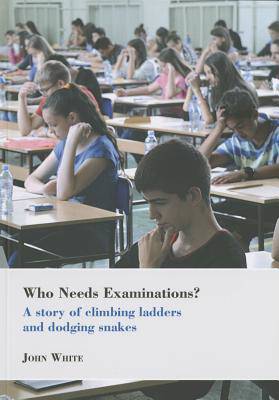
School examinations do little to test deep understanding, blight the secondary curriculum, cause students great anxiety, pervert the job of teaching, and favor families who can manipulate admission arrangements.
Why is it that despite these defects, we cling to an institution which may have been all the rage in the 1860s but has been under fire in every generation since?
The first chapter looks at problems raised about the examination system from philosophical, curricular, psychological, pedagogical, and political points of view.
The second explains why such a flawed institution not only still exists, but has become more entrenched than
ever. It traces the British story back to opposition in the mid-nineteenth century to the patronage method of allocation to good jobs and its replacement by something more impartial. School examinations remained the preserve of an elite until 1944, and others were deliberately prevented from taking them. In our more democratic age we assume they are for everybody. But are they as egalitarian as they seem?
Are we now heading towards the "examination hells" of China and other East and South Asian countries, just as those countries are looking for ways to extricate themselves from this straitjacket? The final chapter of the book examines alternatives.
This book is essential reading for teachers, policy-makers, and students of assessment and curriculum studies.
Why is it that despite these defects, we cling to an institution which may have been all the rage in the 1860s but has been under fire in every generation since?
The first chapter looks at problems raised about the examination system from philosophical, curricular, psychological, pedagogical, and political points of view.
The second explains why such a flawed institution not only still exists, but has become more entrenched than
ever. It traces the British story back to opposition in the mid-nineteenth century to the patronage method of allocation to good jobs and its replacement by something more impartial. School examinations remained the preserve of an elite until 1944, and others were deliberately prevented from taking them. In our more democratic age we assume they are for everybody. But are they as egalitarian as they seem?
Are we now heading towards the "examination hells" of China and other East and South Asian countries, just as those countries are looking for ways to extricate themselves from this straitjacket? The final chapter of the book examines alternatives.
This book is essential reading for teachers, policy-makers, and students of assessment and curriculum studies.
Specificaties
Betrokkenen
- Auteur(s):
- Uitgeverij:
Inhoud
- Aantal bladzijden:
- 86
- Taal:
- Engels
- Reeks:
- Reeksnummer:
- nr. 45
Eigenschappen
- Productcode (EAN):
- 9781782771074
- Verschijningsdatum:
- 18/11/2014
- Uitvoering:
- Paperback
- Formaat:
- Trade paperback (VS)
- Afmetingen:
- 165 mm x 236 mm
- Gewicht:
- 181 g


Alleen bij Standaard Boekhandel
+ 47 punten op je klantenkaart van Standaard Boekhandel
AANGERADEN


Beoordelingen
We publiceren alleen reviews die voldoen aan de voorwaarden voor reviews. Bekijk onze voorwaarden voor reviews.