


- Afhalen na 1 uur in een winkel met voorraad
- Gratis thuislevering in België vanaf € 30
- Ruim aanbod met 7 miljoen producten
- Afhalen na 1 uur in een winkel met voorraad
- Gratis thuislevering in België vanaf € 30
- Ruim aanbod met 7 miljoen producten





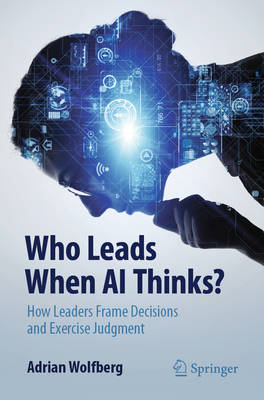
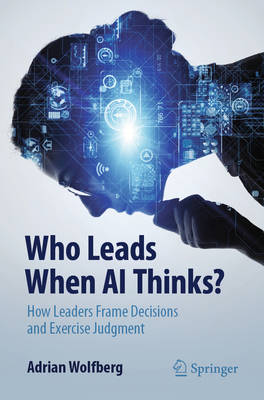
Who Leads When AI Thinks?
How Leaders Frame Decisions and Exercise Judgment
Adrian Wolfberg
Paperback | Engels
€ 29,95
+ 59 punten
Omschrijving
As Artificial Intelligence (AI) becomes increasingly embedded into the fabric of everyday individual, organizational, and societal life, the issue is not whether leaders should make a binary choice of whether to use it or not, or figuring out what policy to guide its use. The issue we face is the proper alignment between AI and human engagement. This alignment depends on the nature of the problem to be solved. Problems range from simple to complex and evolve over time so there are distinct phases of problems with different problem-solving needs. As problems become more complex, human critical and creative thinking dominate, and when they are simpler, AI dominates. Regardless of the technological advances in artificial intelligence over the next years and decades, there will always be a need for human involvement when faced with complex and human-based problems. This book provides leaders with the knowledge to assign the most effective resource alignment between the level of AI and human engagement to ensure successful outcomes.
Specificaties
Betrokkenen
- Auteur(s):
- Uitgeverij:
Inhoud
- Aantal bladzijden:
- 301
- Taal:
- Engels
Eigenschappen
- Productcode (EAN):
- 9783032197160
- Verschijningsdatum:
- 29/05/2026
- Uitvoering:
- Paperback
- Formaat:
- Trade paperback (VS)
- Afmetingen:
- 155 mm x 235 mm


Alleen bij Standaard Boekhandel
+ 59 punten op je klantenkaart van Standaard Boekhandel
Cadeau

AANGERADEN


Beoordelingen
We publiceren alleen reviews die voldoen aan de voorwaarden voor reviews. Bekijk onze voorwaarden voor reviews.