


- Afhalen na 1 uur in een winkel met voorraad
- Gratis thuislevering in België vanaf € 30
- Ruim aanbod met 7 miljoen producten
- Afhalen na 1 uur in een winkel met voorraad
- Gratis thuislevering in België vanaf € 30
- Ruim aanbod met 7 miljoen producten





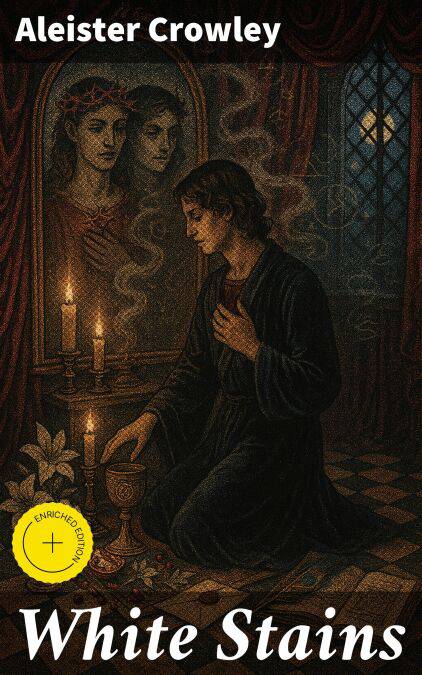
White Stains E-BOOK
Enriched edition. Exploring Taboo Desires: Provocative Poetry by a Dark Visionary
Aleister Crowley
E-book | Engels
€ 0,49
€ 0,99
Uitvoering
Omschrijving
In "White Stains," Aleister Crowley crafts a provocative and unconventional exploration of sexuality, spirituality, and the complexities of desire. Written in a richly poetic style that fuses lyrical elegance with explicit content, the text navigates the often-taboo aspects of human experience while drawing from various literary influences including the decadent movement and Symbolist poetry. Crowley's work defies simple categorization, blending autobiography with fictive narratives that paint a portrait of the inner conflicts surrounding love and lust in the early 20th century. The book's controversial nature positions it firmly within the avant-garde literary landscape of its time, challenging societal norms and expectations. Aleister Crowley, often referred to as the "Wickedest Man in the World," was a key figure in the occult and mystical movements of the 20th century. His wide-ranging interests in philosophy, magic, and esotericism, combined with his unabashed exploration of the human psyche, significantly influenced the themes present in "White Stains." Crowley's personal experiences and his defiance of Victorian morality shaped his views on sexuality, allowing him to confront issues often deemed unworthy of discussion in his day. I highly recommend "White Stains" to readers interested in the intersections of literature, sexuality, and mysticism. Crowley's daring insights and vivid imagery make the text a thought-provoking journey into the depths of desire and the complexities of human psychology. This work not only serves as a fascinating artifact of its era but also resonates with contemporary discussions about sexuality and identity.
In this enriched edition, we have carefully created added value for your reading experience:
- A succinct Introduction situates the work's timeless appeal and themes.
- The Synopsis outlines the central plot, highlighting key developments without spoiling critical twists.
- A detailed Historical Context immerses you in the era's events and influences that shaped the writing.
- An Author Biography reveals milestones in the author's life, illuminating the personal insights behind the text.
- A thorough Analysis dissects symbols, motifs, and character arcs to unearth underlying meanings.
- Reflection questions prompt you to engage personally with the work's messages, connecting them to modern life.
- Hand‐picked Memorable Quotes shine a spotlight on moments of literary brilliance.
- Interactive footnotes clarify unusual references, historical allusions, and archaic phrases for an effortless, more informed read.
In this enriched edition, we have carefully created added value for your reading experience:
- A succinct Introduction situates the work's timeless appeal and themes.
- The Synopsis outlines the central plot, highlighting key developments without spoiling critical twists.
- A detailed Historical Context immerses you in the era's events and influences that shaped the writing.
- An Author Biography reveals milestones in the author's life, illuminating the personal insights behind the text.
- A thorough Analysis dissects symbols, motifs, and character arcs to unearth underlying meanings.
- Reflection questions prompt you to engage personally with the work's messages, connecting them to modern life.
- Hand‐picked Memorable Quotes shine a spotlight on moments of literary brilliance.
- Interactive footnotes clarify unusual references, historical allusions, and archaic phrases for an effortless, more informed read.
Specificaties
Betrokkenen
- Auteur(s):
- Uitgeverij:
Inhoud
- Aantal bladzijden:
- 90
- Taal:
- Engels
Eigenschappen
- Productcode (EAN):
- 8596547785125
- Verschijningsdatum:
- 20/12/2023
- Uitvoering:
- E-book
- Beveiligd met:
- Digital watermarking
- Formaat:
- ePub



Alleen bij Standaard Boekhandel
Cadeau

AANGERADEN


Beoordelingen
We publiceren alleen reviews die voldoen aan de voorwaarden voor reviews. Bekijk onze voorwaarden voor reviews.