


- Afhalen na 1 uur in een winkel met voorraad
- Gratis thuislevering in België vanaf € 30
- Ruim aanbod met 7 miljoen producten
- Afhalen na 1 uur in een winkel met voorraad
- Gratis thuislevering in België vanaf € 30
- Ruim aanbod met 7 miljoen producten





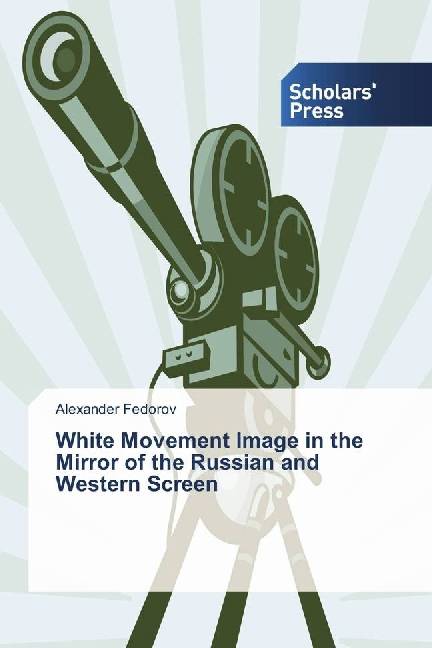
White Movement Image in the Mirror of the Russian and Western Screen
Alexander Fedorov
Paperback | Engels
€ 59,45
+ 118 punten
Omschrijving
What is the White Movement image in the mirror of the Soviet, Russian and Western screen? What about the main stereotypes? The author of this book tries to analyze the films' trends and ideology. Although this topic did not have a dominant place in the Soviet cinema, its advocacy role has been very high. With millions of viewers inculcated the need for "revolutionary terror" against the "whites" "white guard swine", "class enemies", "alien elements", etc. Among the few western films dealing with the events of the Russian Civil War and the first post-revolutionary years there has been some kind of stability in the sound cinema: the White movement was portrayed with a distinctly positive, often melodramatic emotional overtones ("Doctor Zhivago", "Nicholas and Alexandra" and others), while the Bolsheviks/Communists (with rare exceptions) were embodied in a purely negative image.
Specificaties
Betrokkenen
- Auteur(s):
- Uitgeverij:
Inhoud
- Aantal bladzijden:
- 92
- Taal:
- Engels
Eigenschappen
- Productcode (EAN):
- 9783639519228
- Uitvoering:
- Paperback
- Afmetingen:
- 150 mm x 220 mm


Alleen bij Standaard Boekhandel
+ 118 punten op je klantenkaart van Standaard Boekhandel
Cadeau

AANGERADEN


Beoordelingen
We publiceren alleen reviews die voldoen aan de voorwaarden voor reviews. Bekijk onze voorwaarden voor reviews.