


- Afhalen na 1 uur in een winkel met voorraad
- Gratis thuislevering in België vanaf € 30
- Ruim aanbod met 7 miljoen producten
- Afhalen na 1 uur in een winkel met voorraad
- Gratis thuislevering in België vanaf € 30
- Ruim aanbod met 7 miljoen producten





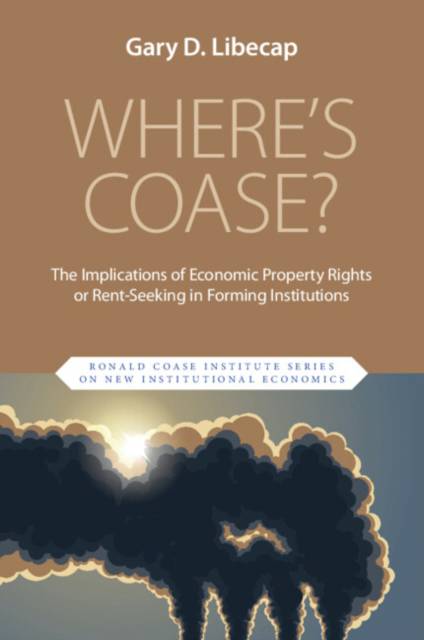
Where's Coase?
The Implications of Economic Property Rights or Rent-Seeking in Forming Institutions
Gary D Libecap
€ 33,95
+ 67 punten
Uitvoering
Omschrijving
Ronald Coase's Nobel work outlined gains by reducing transaction costs and promoting property rights and markets to confront externalities. Countering market failure assertions and calls for centralized government intervention, Coase retorted that decentralized market negotiations could be welfare-improving by promoting collaborative, efficient problem solving, and releasing resources to the general economy. Despite this, his approach is not central to any US environmental law implemented after 1970. Federal government mandates dominate. Where's Coase? explains why. The private objectives of political agents lead to policies that are likely to be too costly and inequitable, despite provision of public goods. Citizens face high collective action costs and lack information to distinguish between public goods and private agent benefits. Examining three major environmental laws: the Clean Air Act, the Magnuson Stevens Fishery Act, and the Endangered Species Act, the book explores policy development and assesses the resulting costs relative to Coase's framework.
Specificaties
Betrokkenen
- Auteur(s):
- Uitgeverij:
Inhoud
- Aantal bladzijden:
- 188
- Taal:
- Engels
- Reeks:
Eigenschappen
- Productcode (EAN):
- 9781009408073
- Verschijningsdatum:
- 19/03/2026
- Uitvoering:
- Paperback
- Formaat:
- Trade paperback (VS)
- Afmetingen:
- 152 mm x 229 mm
- Gewicht:
- 258 g


Alleen bij Standaard Boekhandel
+ 67 punten op je klantenkaart van Standaard Boekhandel
Cadeau

AANGERADEN


Beoordelingen
We publiceren alleen reviews die voldoen aan de voorwaarden voor reviews. Bekijk onze voorwaarden voor reviews.