


- Afhalen na 1 uur in een winkel met voorraad
- Gratis thuislevering in België vanaf € 30
- Ruim aanbod met 7 miljoen producten
- Afhalen na 1 uur in een winkel met voorraad
- Gratis thuislevering in België vanaf € 30
- Ruim aanbod met 7 miljoen producten





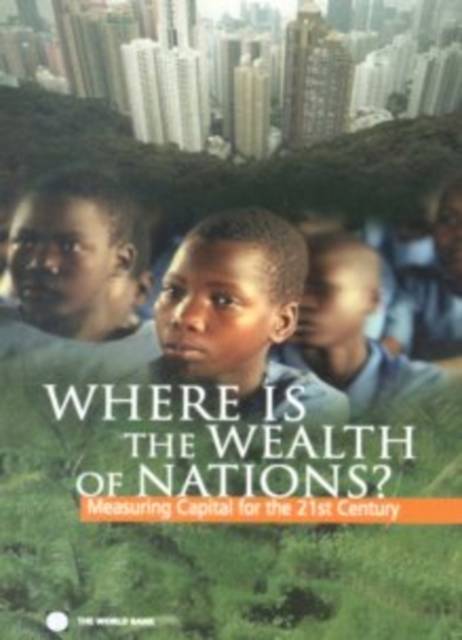
Where Is the Wealth of Nations?
Measuring Capital for the 21st Century
World Bank
Paperback | Engels
€ 42,45
+ 84 punten
Omschrijving
The book presents estimates of total wealth for nearly 120 countries, using economic theory to decompose the wealth of a nation into its component pieces: produced capital, natural resources and human resources. The wealth estimates provide a unique opportunity to look at economic management from a broader and comprehensive perspective. The book's basic tenet is that economic development can be conceived as a process of portfolio management, so that sustainability becomes an integral part of economic policy making. The rigorous analysis, presented in accessible format, tackles issues such as growth, development and equity. Where is the Wealth of Nations? is organized in four sections. The first part introduces the wealth estimates and highlights the main facts on the level and composition of wealth across countries. The second part analyzes changes in wealth and how they matter for economic policy. The third part deals with the level of wealth, its composition and links to growth and inequality. The last part reviews existing applications of resource and environmental accounting.
Specificaties
Betrokkenen
- Auteur(s):
- Uitgeverij:
Inhoud
- Aantal bladzijden:
- 208
- Taal:
- Engels
Eigenschappen
- Productcode (EAN):
- 9780821363546
- Verschijningsdatum:
- 1/01/2006
- Uitvoering:
- Paperback
- Formaat:
- Trade paperback (VS)
- Afmetingen:
- 168 mm x 236 mm
- Gewicht:
- 362 g


Alleen bij Standaard Boekhandel
+ 84 punten op je klantenkaart van Standaard Boekhandel
Cadeau

AANGERADEN


Beoordelingen
We publiceren alleen reviews die voldoen aan de voorwaarden voor reviews. Bekijk onze voorwaarden voor reviews.