


- Afhalen na 1 uur in een winkel met voorraad
- Gratis thuislevering in België vanaf € 30
- Ruim aanbod met 7 miljoen producten
- Afhalen na 1 uur in een winkel met voorraad
- Gratis thuislevering in België vanaf € 30
- Ruim aanbod met 7 miljoen producten





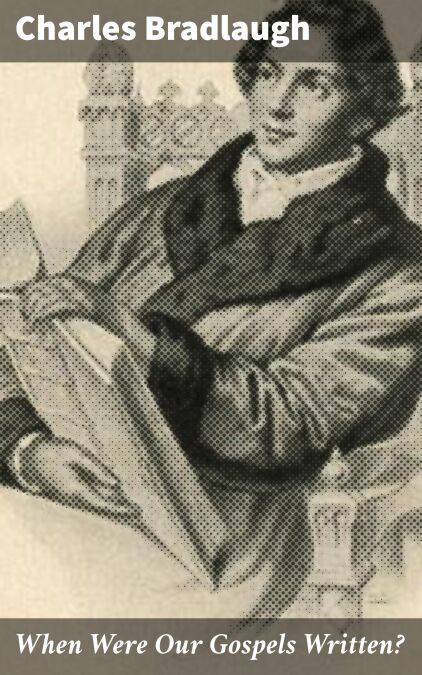
When Were Our Gospels Written? E-BOOK
Unraveling the Gospel Mysteries: Investigating Origins and Timelines
Charles Bradlaugh
E-book | Engels
€ 0,99
Omschrijving
In "When Were Our Gospels Written?", Charles Bradlaugh delves into the temporal origins and historical contexts of the New Testament Gospels. Drawing on a range of textual analysis and critical inquiry, Bradlaugh challenges prevailing notions about the chronology of these seminal texts. His methodical approach, combining a rationalist lens with a commitment to secular scholarship, reflects the intellectual currents of the 19th century, particularly within the debates surrounding religious orthodoxy and biblical historicity. The book's incisive critique engages with sources and interpretations that scrutinize the dating and authorship of the Gospels, contributing significantly to the discourse on Christian origins. Charles Bradlaugh was a prominent English political activist and a fierce advocate for atheism and rational thought. Elected to Parliament in the late 19th century, he faced considerable opposition due to his controversial beliefs, which were rooted in Enlightenment principles and a commitment to empirical evidence. His experiences as a public figure in an era dominated by Victorian morality undoubtedly informed his approach to religion and biblical texts, leading him to seek a more profound understanding of their historical development. "When Were Our Gospels Written?" is essential reading for anyone interested in biblical criticism, religious studies, or the intersection of faith and reason. Bradlaugh's eloquent arguments and historical rigor offer insights that remain relevant today, prompting readers to reconsider the foundations of Christian belief and the texts that underpin it. This scholarly work will invigorate discussions among theologians, historians, and general readers alike.
Specificaties
Betrokkenen
- Auteur(s):
- Uitgeverij:
Inhoud
- Aantal bladzijden:
- 126
- Taal:
- Engels
Eigenschappen
- Productcode (EAN):
- 4064066100827
- Verschijningsdatum:
- 24/04/2021
- Uitvoering:
- E-book
- Beveiligd met:
- Digital watermarking
- Formaat:
- ePub


Alleen bij Standaard Boekhandel
Cadeau

AANGERADEN


Beoordelingen
We publiceren alleen reviews die voldoen aan de voorwaarden voor reviews. Bekijk onze voorwaarden voor reviews.