


- Afhalen na 1 uur in een winkel met voorraad
- Gratis thuislevering in België vanaf € 30
- Ruim aanbod met 7 miljoen producten
- Afhalen na 1 uur in een winkel met voorraad
- Gratis thuislevering in België vanaf € 30
- Ruim aanbod met 7 miljoen producten





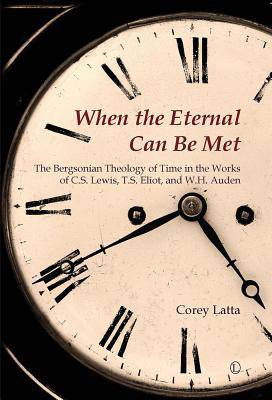
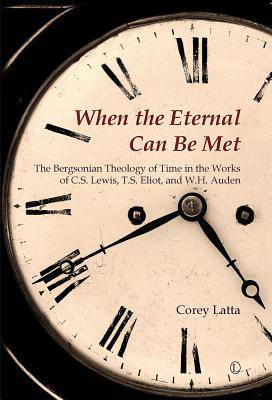
When the Eternal Can Be Met
The Bergsonian Theology of Time in the Works of C.S. Lewis, T.S. Eliot and W.H. Auden
Corey Latta
Paperback | Engels
€ 66,45
+ 132 punten
Uitvoering
Omschrijving
When the Eternal Can Be Met excavates the philosophy behind the theology of the twentieth century's most prominent Christian writers: C.S. Lewis, T.S. Eliot, and W.H. Auden. These three literary giants converted to Christianity within little more than a decade of one another, and interestingly, all three theological authors turned to the theme of time. All three authors also came to remarkably similar conclusions about time, positing that the temporal present moment allowed one to meet the eternal. The prominent philosopher Henri Bergson wrote about time's power to transform an individual's emotional and spiritual state decades before Lewis, Eliot, and Auden sought to creatively construct a fictive or poetic theology of time. When the Eternal Can Be Met argues that one cannot fully understand Lewis, Eliot, and Auden's theology of time without understanding Bergson's theories. From the secular philosophy of Bergson dawned the most important works of literary theology and treatments of time of the twentieth century, and in the Bergson-influenced literary constructs of Lewis, Eliot, and Auden, a common theological articulation sounds out - time present is where humans meet God.
Specificaties
Betrokkenen
- Auteur(s):
- Uitgeverij:
Inhoud
- Aantal bladzijden:
- 234
- Taal:
- Engels
Eigenschappen
- Productcode (EAN):
- 9780718893606
- Verschijningsdatum:
- 28/08/2014
- Uitvoering:
- Paperback
- Formaat:
- Trade paperback (VS)
- Afmetingen:
- 152 mm x 229 mm
- Gewicht:
- 352 g


Alleen bij Standaard Boekhandel
+ 132 punten op je klantenkaart van Standaard Boekhandel
Cadeau

AANGERADEN


Beoordelingen
We publiceren alleen reviews die voldoen aan de voorwaarden voor reviews. Bekijk onze voorwaarden voor reviews.